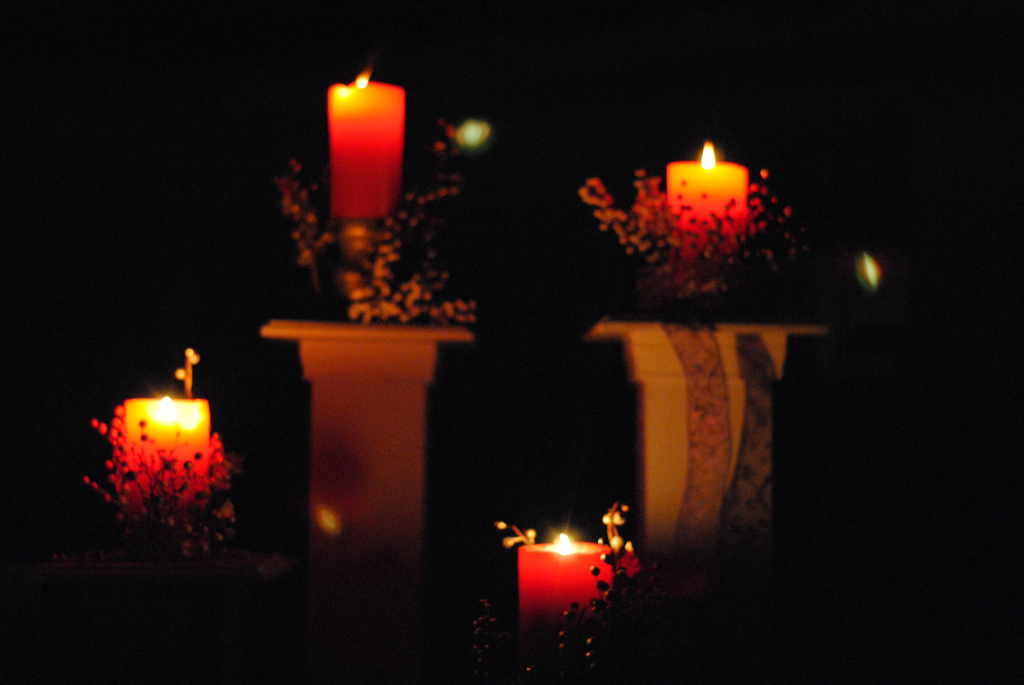
The almost perfect Madeleine L’Engle gets our spot for Advent, day 9 with her poignant poem, “Into the Darkest Hour.”


The almost perfect Madeleine L’Engle gets our spot for Advent, day 9 with her poignant poem, “Into the Darkest Hour.”
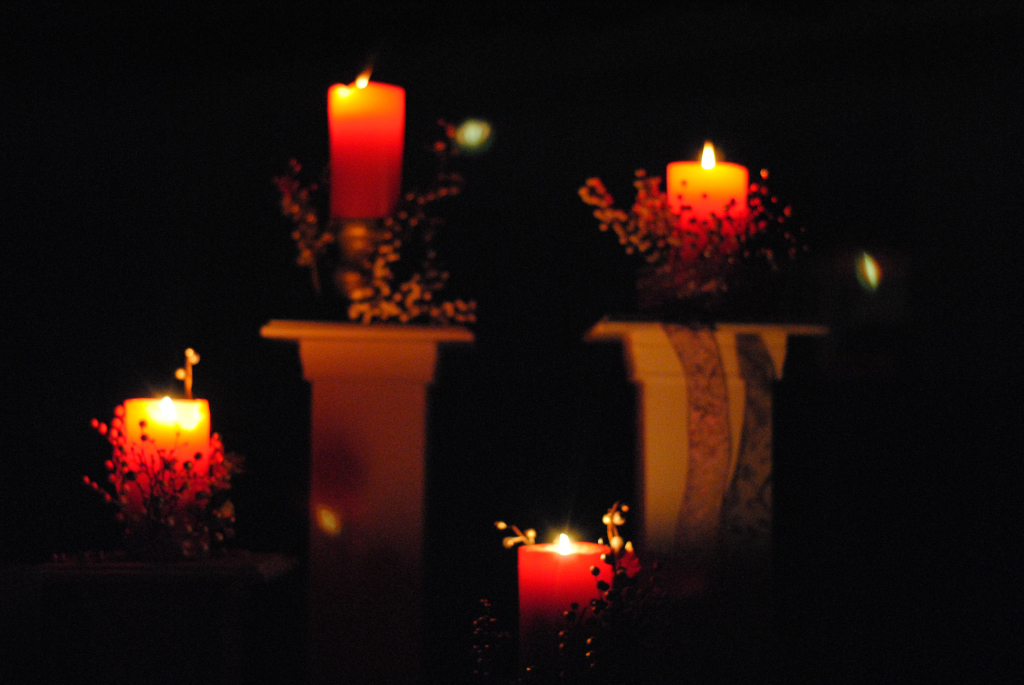
December 4th. The Second Sunday of Advent. Sometimes, in terms of prophetic Scriptures, the Sunday representing hope. The gravitas of a future better than our past, of something yet to come that outshines the gloom of dark days, uncertain and fear-filled.
I can’t say this is necessarily that, but it is a new one all the same. And, if it helps to birth hope, all the better.
Advent
R. A. Rife
Cup before the pour, cocoa, or tea.
Clouds, rain-swollen, before taking their moment.
Hearts before words, warm and rightly spoken.
Page before pen, story pushing out to meet its maker.
Inside, a child gazes out at virgin snow.
Child, new and eyes closed, before the first embrace.
Car, keys jangling in shaky hands, before first welcome.
Night, old and disheveled, before day-gates open.
Gravitas, bodies’ ache, release of first touch.
Eyes, leaden-lidded, before the thick of sleep.
Tired world, sore of woe, looks East.

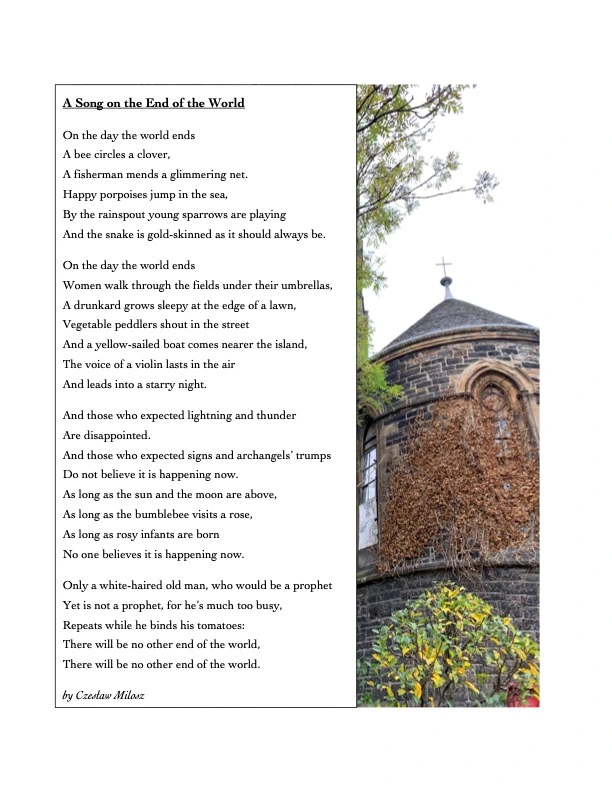
Our poem for Adventia, day 7 is by none other than the great Polish-American poet, Czesław Milosz. This was first published in Warsaw, 1944.

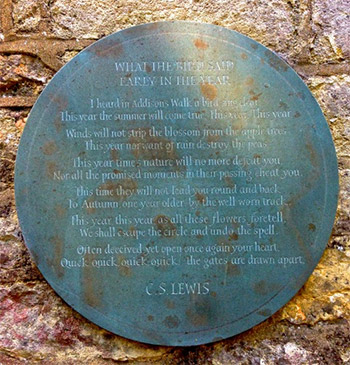
Our offering for Adventia, day 6 comes to us by way of the Adventus Project, which did a wonderful Advent exploration a couple years ago. And, of course, C. S. Lewis never disappoints.
What the Bird Said Early in the Year
C.S. Lewis
I heard in Addison’s Walk a bird sing clear:
This year the summer will come true. This year. This year.
Winds will not strip the blossom from the apple trees
This year, nor want of rain destroy the peas.
This year time’s nature will no more defeat you,
Nor all the promised moments in their passing cheat you.
This time they will not lead you round and back
To Autumn, one year older, by the well-worn track.
This year, this year, as all these flowers foretell,
We shall escape the circle and undo the spell.
Often deceived, yet open once again your heart,
Quick, quick, quick, quick! – the gates are drawn apart.

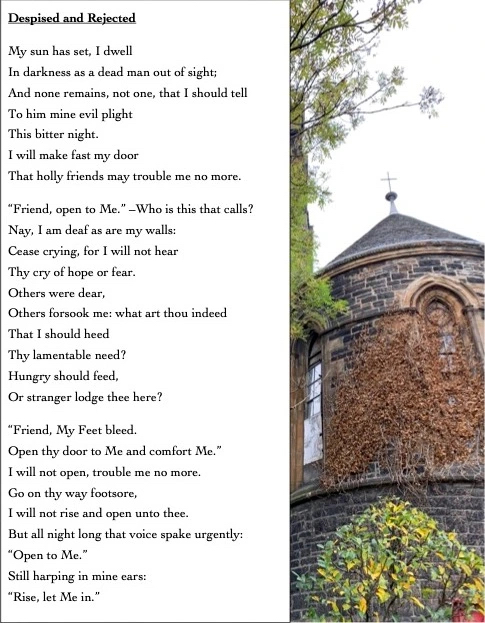
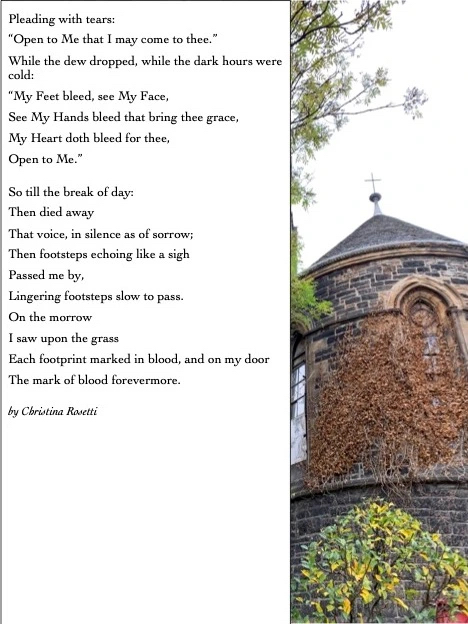
Christina Georgina Rossetti (1830 –1894), born in London, was an English writer of romantic, devotional, and children’s poetry. She is also famous for having written the texts of two well-known Christmas carols: “In the Bleak Midwinter” and “Love Came Down at Christmas.”
This poem combines Advent and Lenten themes; the sacrificial Christ pursuing the hospitality and kindness represented by the inn where there was no room for the holy family. The question ever asked of us, “is there room for the Christ within?”
Don’t forget to pop over and visit Real Poets Daily. They’re a wealth of inspiring poetry!

For Adventia, day 4 I submit a poem I composed a few years ago. Rough around the edges perhaps, but I hope it scratches at the surface enough to help us find place in our Advent journey all the same. May the angst, ambivalence, austerity, and frustration of waiting be rewarded in our common longing for the coming Light.
We Wait
Too many moons after too many suns and still –
we wait.
To arise to yet another day with no sight of promised end –
we wait.
My great, great, great grandparents told this same tale. Still –
we wait.
My great, great, great grandchildren, will they tell this same tale?
We wait.
For once pliable, elastic, hope-filled words, spoken from that creepy prophet guy –
we wait.
In hopscotch rhymes, coffee table books, Sunday paper riddles –
we wait.
Faithless ones mock. Faithful ones pretend to believe. Seeking ones struggle to hope –
we wait.
Stuck. In stasis. Solitary, floating in an endless ocean of shark infested water –
we wait.
Nine-year-old boys sneak their umpteenth grab of dinner being prepared a year after lunch –
we wait.
We’ve long ago forgotten or even care about what we were waiting for –
we wait.
Will we even know when the waiting is over?
Still,
we wait…

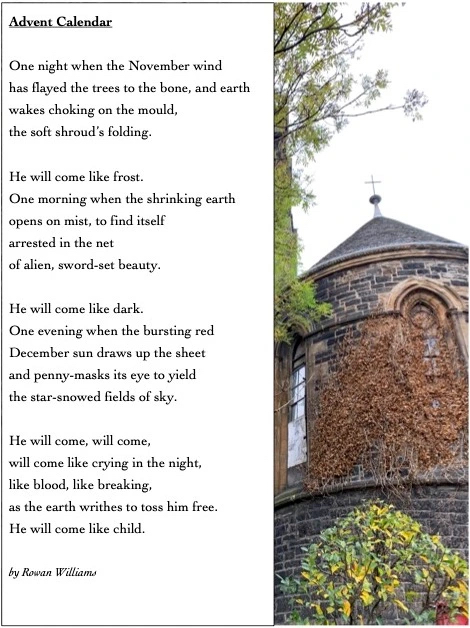
For Adventia, day 3, we are graced by the always luminous words of Welsh Anglican bishop, poet, writer, theologian, and former Archbishop of Canterbury, Rowan Williams.
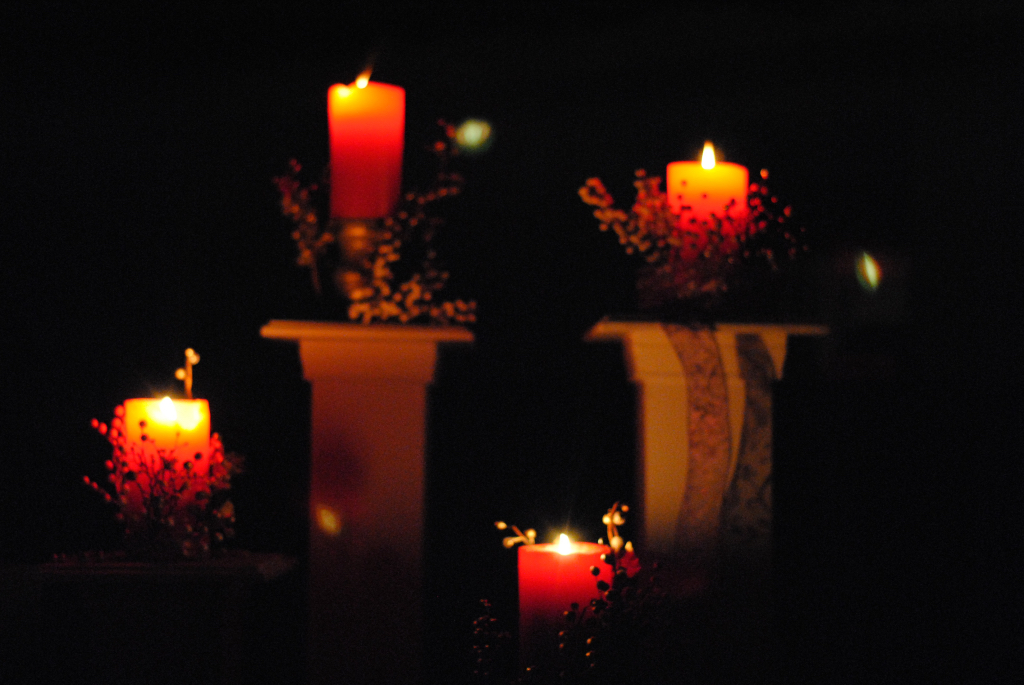
In my first installment in this series, I explained the origins of my strange, made up word. “Adventia;” as I see it, a poetic foray into the headwaters of Advent – waiting, hoping, and preparing, together with Fragmentia, those literary illuminations of God’s in-breaking into our world to which we may unite the former.
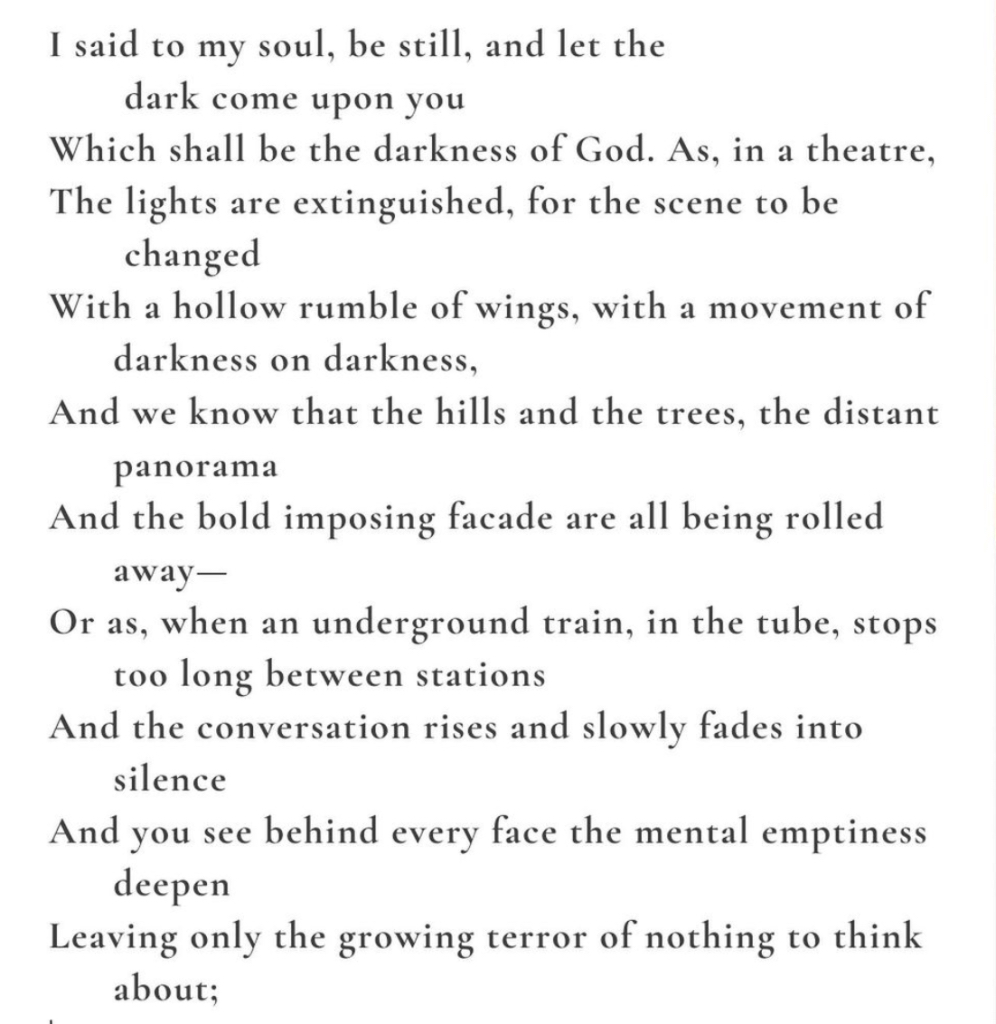
For most of these we’re taking our cue from a favourite Instagram site of mine – #realpoetsdaily Today, we’re blessed by this gem by T. S. Eliot, excerpted from “The Four Quartets.”


No, the above is not meant as some cheap attempt at a New Joizy accent with the word adventure. Let’s just call it the purposeful amalgamation of Advent and Fragmentia. Let it be a place where the illumination of God’s in-breaking into our world found in the Advent narratives unites with the fragments of literature and faith and life seeking to bring us to deeper understanding of it all.
Advent is upon us once more. With it comes a barrage of books and practices all aimed at helping us get the most from the experience. Last year I chose to post a daily poetic reflection on my poetry website. This year I’d like to do something similar here on innerwoven. It gives me opportunity to dive deep into some of the best words about the best time of the year; the beginning of the church’s calendar at Advent. These poems are both old and new and are found in various places.
For Advent, day 1 we begin with a gorgeous piece by Sally Thomas, which I saw first on a favourite Instagram channel, #realpoetsdaily
Here is “First Sunday” by Sally Thomas ( @sallytnnc )

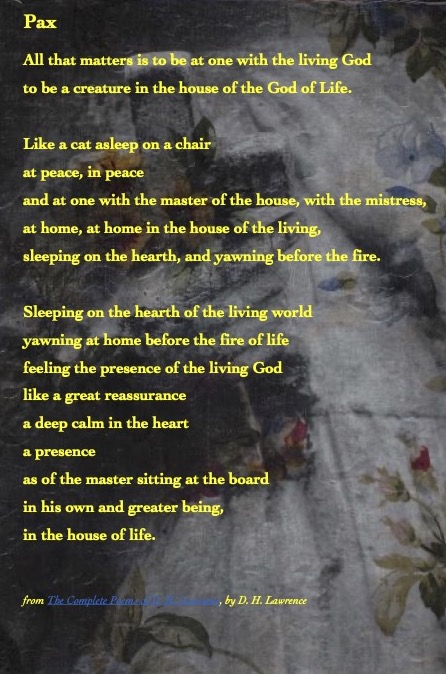
I have a new spiritual director. Her name is Lynn. She is a most perceptive lady, especially given how much I adore poetry. After our most recent spiritual direction session, she was compelled to send me this by way of follow up. Two things: find yourself an anam cara; a professional spiritual director or at least someone you trust to walk with you as you both walk with God. Secondly, look for the sacred in narrative and poetry. Next to creation and sacred writ, it is often the most meaningful manner by which the God of creation speaks to our souls.
So then, Lynn, thanks for listening so attentively.
Thank you, Mr. Lawrence for this poem which has always been a favourite.
Lord, thank you for both!
If we are made in God’s image and God sings, then we should be singing, too.
Ancient Wisdom for Modern Seekers
Spiritual Direction for Integrated Living
From liquid courage to Sober Courage
an anamcara exploring those close encounters of the liminal kind
Collaborating with the Muses to inspire, create, and illuminate
...in such kind ways...
"That I may publish with the voice of thanksgiving, and tell of all thy wondrous works." Psalm 26:7
Blog for poet and singer-songwriter Malcolm Guite
…in the thick of things
REFLECTIONS & REVIEWS
Seeking that which is life giving.
… hope is oxygen
Homepage of Seymour Jacklin: Writer - Narrator - Facilitator
If we are made in God’s image and God sings, then we should be singing, too.
Ancient Wisdom for Modern Seekers
Spiritual Direction for Integrated Living
From liquid courage to Sober Courage
an anamcara exploring those close encounters of the liminal kind
Collaborating with the Muses to inspire, create, and illuminate
...in such kind ways...
"That I may publish with the voice of thanksgiving, and tell of all thy wondrous works." Psalm 26:7
Blog for poet and singer-songwriter Malcolm Guite
…in the thick of things
REFLECTIONS & REVIEWS
Seeking that which is life giving.
… hope is oxygen
Homepage of Seymour Jacklin: Writer - Narrator - Facilitator
 innerwoven