Midweek.
Some call it a “hump day.” Despite it’s euphemistic potential, I like to call it a day of choice. Is the rest of the week a promise, or a burden?
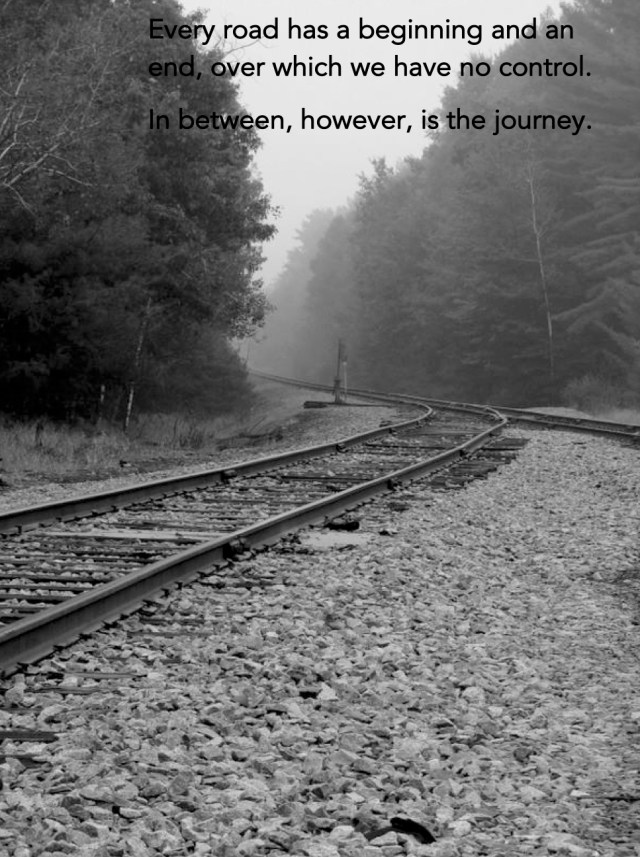 Grace and peace, dear ones.

Midweek.
Some call it a “hump day.” Despite it’s euphemistic potential, I like to call it a day of choice. Is the rest of the week a promise, or a burden?
Grace and peace, dear ones.
May your Tuesday feel one day better than your Monday!
Still in one peace…
Happy Monday, friends – the day we most love to hate.

May joy nip at your heels today like a puppy!
Be well, dear friends, and remember to pass the salt…
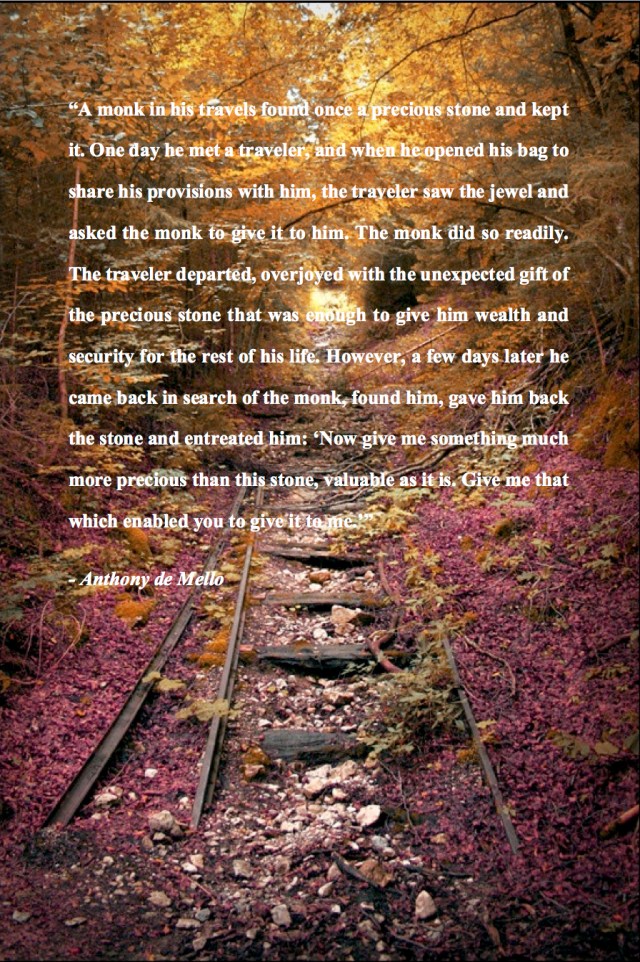
Holy tidbit for Saturday. Live faithfully, and be brave, dear ones.
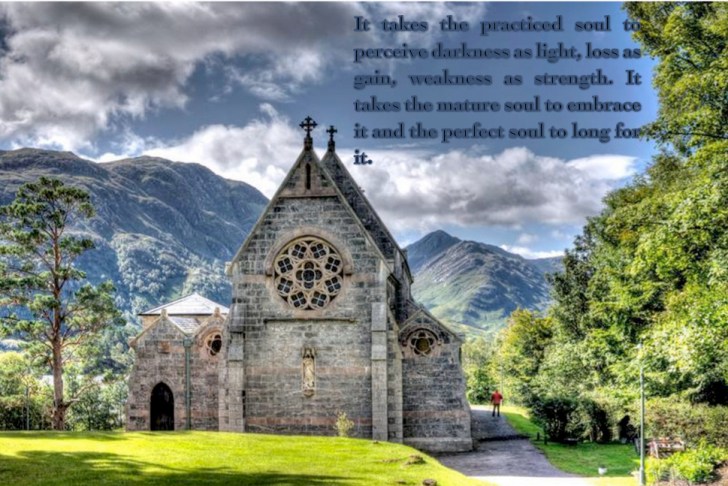
Friday, the day after Thursday, generally falling before Saturday, and a mere two days before Sunday. Having now solidified my grasp of the obvious…
Fragmentia Sacra. Holy fragments. Sanctified readings. Portions of goodness, set aside to be special. Sexy snippets. I think you get the idea.
Sometimes I can get too laborious and stifling when writing about the large hadron collider of complexity that is my life. In the midst of constructing further installments of my journey-to-sobriety story, among other stuff, I give you these…yummy tidbits (okay, now I’m just trying too hard).
Be blessed and live well, dear friends.
Alcoholism is a persistent talker.

It’s a playground bully, unsatisfied unless fists are drawn and blood flows. The drunken uncle whose continuous taunts to pull his finger are more about his self-satisfied laughter than ours. It’s the immature dink in the office who is incomplete until he gets the final word, no matter how pernicious or insecure.

Trust me, it’s much more subtle than that. It’s the trickster fox, practiced at setting up a ruse to capture his prey. It’s the wild west gambler, poker faced, eyeing his opponents, cards held close, planning his next move. It’s the chameleon – deathly still, changing, adaptable, morphing effortlessly into its surroundings in self-preservation.

Writing about my first sober-wagon experience brought unassailable freedom. Alongside it came personal power, relief, even fluffy-headed joy. The first few months were characterized by a pink cloud of giddiness.
 I told my story to whomever would listen. Upon closer inspection, cornering them at the entrance to the gas station toilets probably was inadvisable. It’s hard to tell a good story when someone keeps hopping around with forced grin, wide-eyed in panic.
I rode that cloud for awhile, yippee ki-yaying in sober delight over the bronc now under my sway. Skies were bluer, food tasted better, sitting at a desk seemed less toilsome, assholes were less ass-holier. The world in general was a happier place and I was a part of it.
I returned to my passion for running, and by ‘returned’ I mean completely embedded myself in it. Three months later and almost sixty pounds lighter and some didn’t even recognize me. I ran almost every day, rain or shine.
Mostly rain. It was Oregon after all.
I was out and proud (no, not that one) and wanted the world to know.
But (come on, you knew this was coming), most recently, a closet door, busting at the seams, alcohol demons whining lustily behind it, finally split wide open. Out they spilled, like eavesdroppers pressed against the honeymooners’ door. They piled out with impunity, bent on destruction.
Thankfully, it was short-lived.
Demons, once out of their cells, tend to lose their bluster. Their muscles aren’t as impressive in daylight. They’re just naughty little boys good at hoodwinking, lying, and swindling us into places we’d rather not go. They’re mythic monsters only when we turn to give eye contact.
Fair enough. But, why were they still there in the first place? Hadn’t they been scolded and sent packing years ago? Here’s my discovery.
I fell prey to what is sometimes called Post Alcohol Withdrawal Syndrome (PAWS), or simply “dry drunk syndrome.” The problem has been recognized. The booze is gone. New habits are forming. But, at the inside of this Oreo isn’t yummy cream filling. It’s the allure of the addict quick-fix to all of life’s problems. When left unchecked, it will soon prove itself more powerful than ever.
About this, Dr. Deborah Morrow makes the following observations:
“This term [dry drunk] is obviously an oxymoron as it implies that a person is drunk without ingesting alcohol.
Dry Drunk Syndrome is a condition where an alcoholic retains mental and behavioral traits associated with drunkenness even when he or she is not drinking alcohol.
Surely, one would think that the “dry” state is a critical objective for alcoholism treatment regimen. Unfortunately, the presence of this syndrome is actually an indication that an individual is in danger of alcohol relapse. He or she remains emotionally disturbed, mentally unstable and spiritually skewed despite quitting alcohol.
Thus, as an alcoholic, nothing significant has been achieved under a dry drunk condition aside from stopping the habit of drinking alcohol. In fact, the manifestation of typical signs of dry drunk syndrome is a red flag that should concern a recovering alcoholic.”
Um, ouch.
It appears that I may not have been as sober as I’d imagined. Not drinking? Sure. But, sober in the textbook sense? Perhaps not.
As any A.A. veteran will tell you, unless you’re actively pursuing a program of sobriety, you will not outpace the disease. It is still pursuing you. Relentlessly. You may not be drinking, but you can be damn sure it is still doing you, quietly biding its time until walls go down, the dam bursts, and you drown in a pressure-mounted swell of issues left untended.
How did I get here? What happened to almost fourteen years of sobriety? What was my brain telling the rest of me? Put another way, what the hell was I thinking?

In a nutshell, I stopped telling my story. And, when we stop telling our stories, we simply stop – growing, learning, being.
Our stories are equally descriptive and prescriptive of us. They help put shape to the varied experiences with which we struggle to find meaning. In a way, they are the foundation to a high-rise. They illustrate to the world what tickles our fancies, pokes our ribs, and gets our goats.
They can be our fairytales, falsities, nightmares, whitewashed witticisms, personae donned or doffed, big jokes, still bigger lies, the sob-stories – they all count. They are all bits and bobs of our total picture.
But, told often and well, our stories are prescriptive, too. They form buttresses, act as protective sheaths, and even offer advice. Who am I? Who am I not? What are my fears and how do I overcome them? How far will I go but no further? Who should I ignore (kidding…kinda)? To tell one’s story is to be reminded of one’s personhood, of what matters.
The twelve-steps of Alcoholics Anonymous are revealing on many levels. The hardest steps are the early ones – admit our powerlessness over alcohol and believe that something/one greater than ourselves could restore us to sanity. Many never make it. I did make it, but then, over time, forgot that I’d made it, and had to make it there all over again.
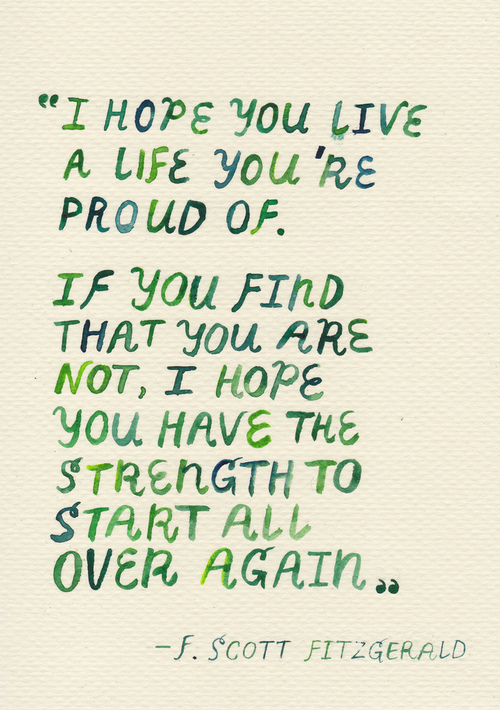
Recent events reveal that any previous sense of empowerment wasn’t ever going to be enough. In fact, anything at all other than constant awareness of the disease in humble surrender to a Higher Power, is an accident waiting to happen (demons in the closet, remember?).
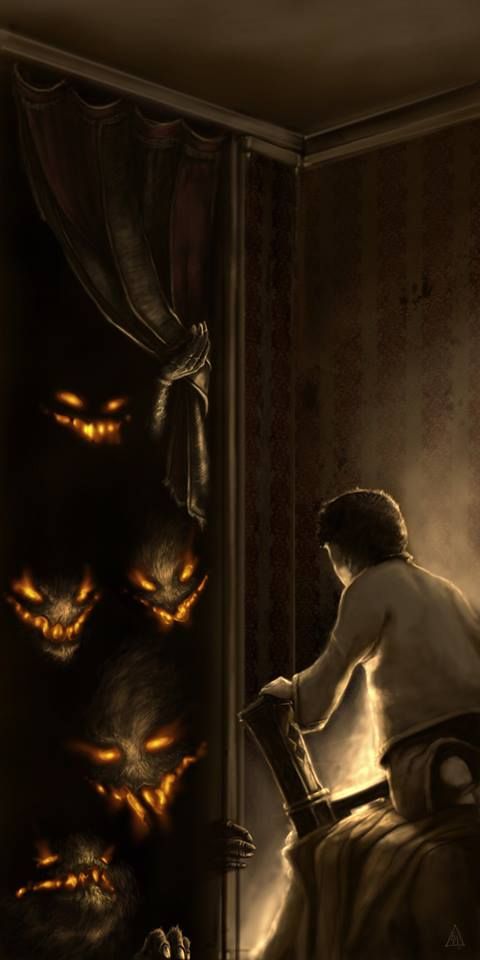
So then, how exactly does a dry drunk dry out? The same way every other alcoholic does: Don’t drink.
But, just as central to this via negativa is the positive power of story-telling, even when that story doesn’t glimmer around the edges. My story, like any other, has a “once upon a time.” But, if I would see a “happily ever after” I must keep telling this tale to whomever will listen.
Why do we measure people’s capacity
To love by how well they love their progeny?
That kind of love is easy. Encoded.
Any lion can be devoted
To its cubs. Any insect, be it prey
Or predator, worships its own DNA.
Like the wolf, elephant, bear, and bees,
We humans are programmed to love what we conceive.
That’s why it’s so shocking when a neighbor
Drives his car into a pond and slaughter–
Drowns his children. And that’s why we curse
The mother who leaves her kids—her hearth—
And never returns. That kind of betrayal
Rattles our souls. That shit is biblical.
So, yes, we should grieve an ocean
When we encounter a caretaker so broken.
But I’m not going to send you a card
For being a decent parent. It ain’t that hard
To love somebody who resembles you.
If you want an ode then join the endless queue
Of people who are good to their next of kin-
Who somehow love people with the same chin
And skin and religion and accent and eyes.
So you love your sibling? Big fucking surprise.
But how much do you love the strange and stranger?
Hey, Caveman, do you see only danger
When you peer into the night? Are you afraid
Of the country that exists outside of your cave?
Hey, Caveman, when are you going to evolve?
Are you still baffled by the way the earth revolves
Around the sun and not the other way around?
Are you terrified by the ever-shifting ground?
Hey, Trump, I know you weren’t loved enough
By your sandpaper father, who roughed and roughed
And roughed the world. I have some empathy
For the boy you were. But, damn, your incivility,
Your volcanic hostility, your lists
Of enemies, your moral apocalypse—
All of it makes you dumb and dangerous.
You are the Antichrist we need to antitrust.
Or maybe you’re only a minor league
Dictator—temporary, small, and weak.
You’ve wounded our country. It might heal.
And yet, I think of what you’ve revealed
About the millions and millions of people
Who worship beneath your tarnished steeple.
Those folks admire your lack of compassion.
They think it’s honest and wonderfully old-fashioned.
They call you traditional and Christian.
LOL! You’ve given them permission
To be callous. They have been rewarded
For being heavily armed and heavily guarded.
You’ve convinced them that their deadly sins
(Envy, wrath, greed) have transformed into wins.
Of course, I’m also fragile and finite and flawed.
I have yet to fully atone for the pain I’ve caused.
I’m an atheist who believes in grace if not in God.
I’m a humanist who thinks that we’re all not
Humane enough. I think of someone who loves me—
A friend I love back—and how he didn’t believe
How much I grieved the death of Prince and his paisley.
My friend doubted that anyone could grieve so deeply.
The death of any stranger, especially a star.
“It doesn’t feel real,” he said. If I could play guitar
And sing, I would have turned purple and roared
One hundred Prince songs—every lick and chord—
But I think my friend would have still doubted me.
And now, in the context of this poem, I can see
That my friend’s love was the kind that only burns
In expectation of a fire in return.
He’s no longer my friend. I mourn that loss.
But, in the Trump aftermath, I’ve measured the costs
And benefits of loving those who don’t love
Strangers. After all, I’m often the odd one—
The strangest stranger—in any field or room.
“He was weird” will be carved into my tomb.
But it’s wrong to measure my family and friends
By where their love for me begins or ends.
It’s too easy to keep a domestic score.
This world demands more love than that. More.
So let me ask demanding questions: Will you be
Eyes for the blind? Will you become the feet
For the wounded? Will you protect the poor?
Will you welcome the lost to your shore?
Will you battle the blood-thieves
And rescue the powerless from their teeth?
Who will you be? Who will I become
As we gather in this terrible kingdom?
My friends, I’m not quite sure what I should do.
I’m as angry and afraid and disillusioned as you.
But I do know this: I will resist hate. I will resist.
I will stand and sing my love. I will use my fist
To drum and drum my love. I will write and read poems
That offer the warmth and shelter of any good home.
I will sing for people who might not sing for me.
I will sing for people who are not my family.
I will sing honor songs for the unfamilar and new.
I will visit a different church and pray in a different pew.
I will silently sit and carefully listen to new stories
About other people’s tragedies and glories.
I will not assume my pain and joy are better.
I will not claim my people invented gravity or weather.
And, oh, I know I will still feel my rage and rage and rage
But I won’t act like I’m the only person onstage.
I am one more citizen marching against hatred.
Alone, we are defenseless. Collected, we are sacred.
We will march by the millions. We will tremble and grieve.
We will praise and weep and laugh. We will believe.
We will be courageous with our love. We will risk danger
As we sing and sing and sing to welcome strangers.
©2017, Sherman Alexie
Recently, I was reintroduced to the wonder that is Alberta.
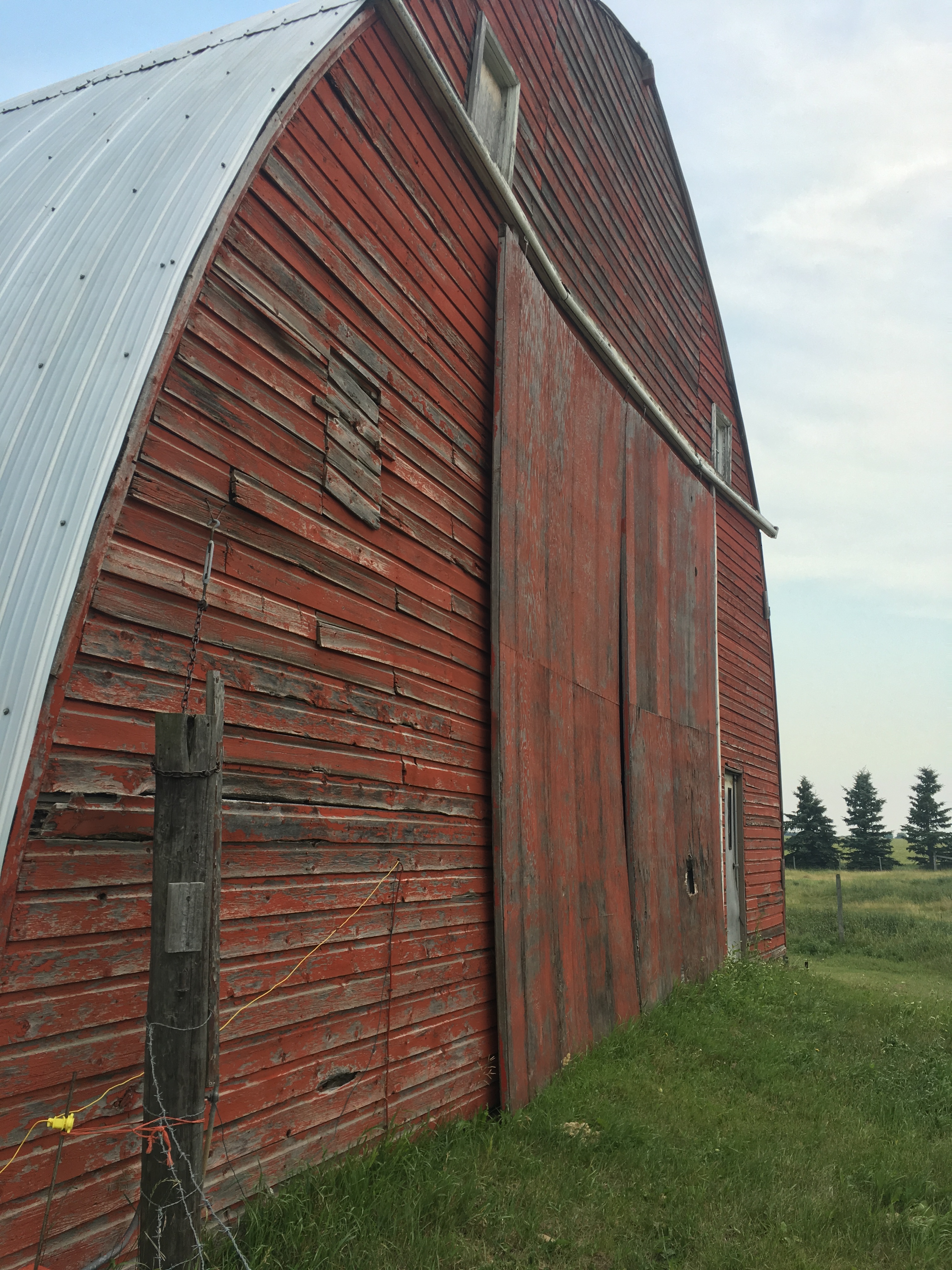
I spent some quality time with Mom and friends, albeit under rather sad circumstances, camped atop Alberta’s green waistline near Camrose. Life is slower here, although bearing the weight of a daily regimen of tasks that would shame a comfy city dweller like myself. Folks are simple, genuine; their politics bespeak as much. I need these types in my life to remind me of life before the city, before we traded green for grey, heart for hurry.
Calgary, that sprawling spray of suburbanism, welcomed me back into her bosom. It is the visual race-for-more set deceivingly in the beauty of rolling foothills climbing their way upward into the Rocky Mountains to the west. She eyed me closely however, untrusting of the broader perspective, gleaned from years of life elsewhere.
The bare shoulder that is Cochrane, held aloft against the Rocky Mountains to the west, provided some jogging (more slogging really) at nearly a mile above sea-level. It was backdrop to a spacious visit with my sister and her husband.
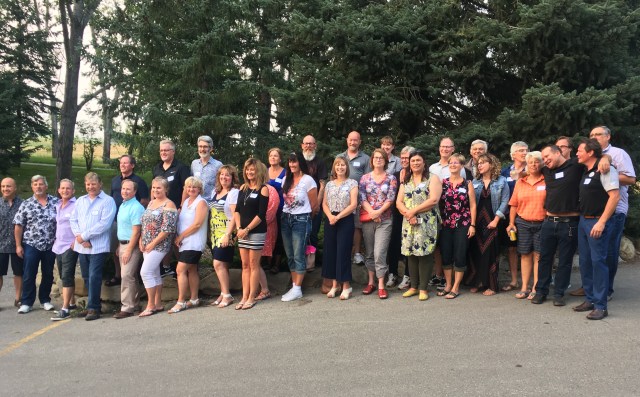
Okotoks. A once-proud cowboy town among the lemon-lime valleys south of Calgary, now Boho-wannabe with more yoga pants and boutiques than boots and hankies. She played host to the auspicious (suspicious?) occasion of my wife’s 35th High School Reunion. As much as an event aimed at aging 50-somethings could be described as ‘epic,’ I’m willing to give us the benefit of the doubt.
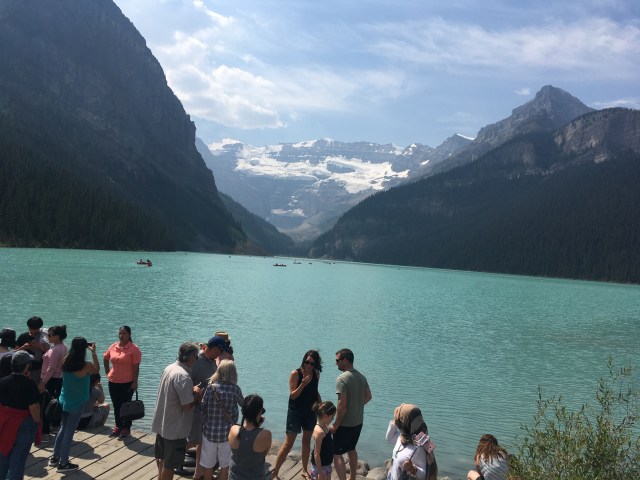
The unattainable majesty of Lake Louise, made impenetrable by the ant colony of one-eyed, phone-clicking tourists. Paradise through a view screen.

I’m surprised, even shocked, at my close and immediate affinity with the place. There is much more of me here than I ever suspected. My guts tighten a little whenever my senses get re-assaulted with the pungency of rape seed and peas. My eyes widen at the foothills, frolicking, green with spruce, poplar, birch and aspen, or the salutary pomposity of the Rocky Mountains. My ears still cringe a little at the old crone call of the magpie. My heart swells with memories clamouring for space.
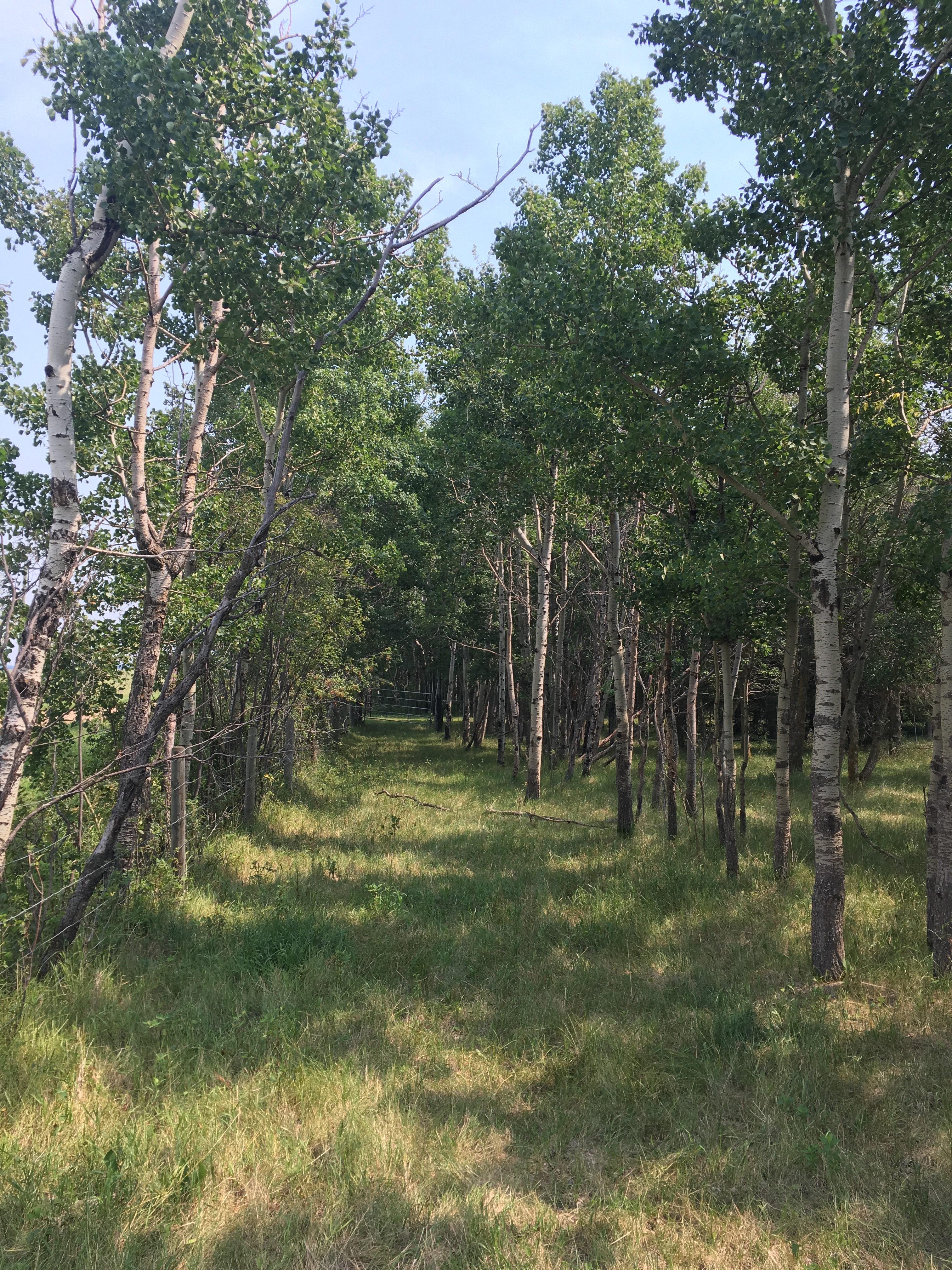
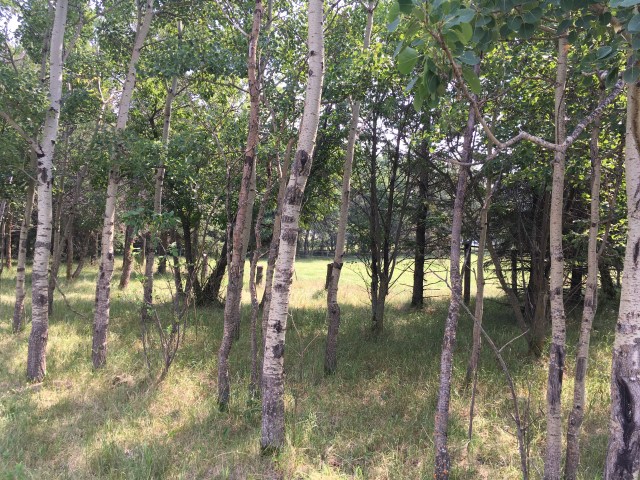 There is a regal order, a persistent danger to this place, in equal measure to its complete lack of pretention. It sits in your lap, comfortable and familiar, like an old farm dog. But, treat her with due respect or she’ll reveal her strength.
It’s easy to forget the relative wealth of the place. Alberta practically drowns in money, choking at times on oil vomited from her broad, black belly. It has made her insanely rich and her people a little myopic with respect to the rest of the world. The furious pace of new construction and the larger-than-life cars, hardly suggests the unforgivable economic downturn so bewailed by her inhabitants. But, lest I come across as ungrateful, that same controversial landscape made for an upbringing much of the world would crave. I am as thankful as I am uncomfortable. It’s an uneasy tension I live with to this day.
The folks here are as big-hearted as the landscape – expansive and verdant – looking for something to grow. But decades of oil and gas revenues have created a monster that lives below, quietly snoring, biding her time. Have the best steak and potatoes of your life one day – cigars, laughter, and foot-stomping music in tow – and all is well. Dance to the beat of the oil drum and they’ll give you their shirts and a layer of skin to boot (cowboy style, that is). But, reveal yourself, even casually, as someone uncomfortable with fossil-fuel damage, global warming, and the need for alternatives and you throw in your lot with the cattle headed to be your own supper. They are a strong and proud folk, duly protective of their fossil-fed way of life.
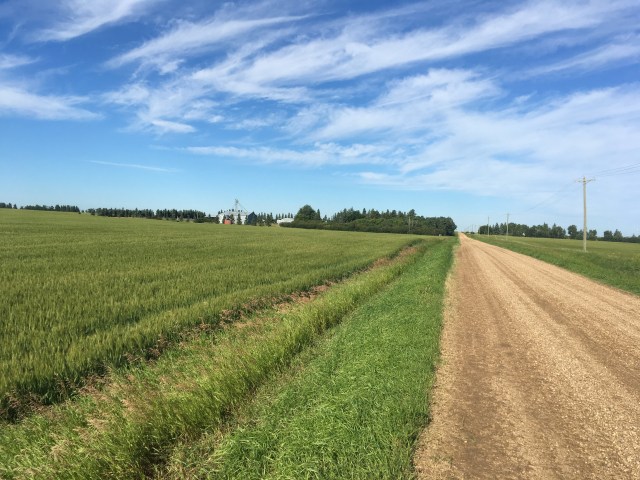
So, conversations stay safest where family starts. They wander in and out of the calf-pens holding the warm and grazing words of easy strangers who feel like friends. These are those whose unadorned view of the world around them makes them quick to laugh, quicker still to pray for rain. Their hopes are found tucked in saddle bags and blue jean pockets or Esso attachés, and slumbering in the subterranean black. Their hands, farmer’s tans, truck culture, and souls are of a piece; indistinguishable parts of a whole.
It’s me through a macro-lens. It may not meld perfectly with the bio-me, but it is the stuff of who I am nonetheless. Born and raised an Alberta boy, now with complicated Celtic-progressive overlay, I can’t deny it any more than run from it. Who I am today, even this very moment, is still the product of wheat and soil, mountains and laughter, horses and magpies, oil and prairie tornadoes.
And, it’s good.
Like under-inflated tires meant for better roads,
the sheen wears off until tracks become ruts
and steering makes no sense.
Now they wonder out loud if pitch and yaw can match
the swoop and dive of former days.
And they ask themselves the only questions
worthy of easier breathing and potato salad,
fresher still than the arrival of these moments –
unbearably skint of certainty,
but crouching in the dew of possibility.
This is no John Steinbeck novel they chuckle uneasily.
But it sure bears a resemblance to those sullen characters
pulled from page to thought, from thought to talk
and back again.
And even Oklahoma dust tastes good in a mouth
full of hope, conversations pointed in.
So, like throats yearning for rain,
they steer the bow of an old truck into new wind.
An uneasy road curls herself, snakelike,
hiding just underneath – not so much friend
as necessity.
Unlikely companions, no longer in remission,
make plans on the yawning road before them.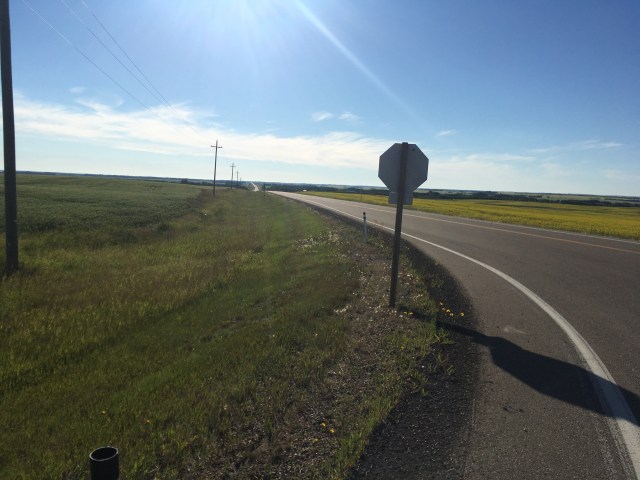
If we are made in God’s image and God sings, then we should be singing, too.
Ancient Wisdom for Modern Seekers
Spiritual Direction for Integrated Living
From liquid courage to Sober Courage
an anamcara exploring those close encounters of the liminal kind
Collaborating with the Muses to inspire, create, and illuminate
...in such kind ways...
"That I may publish with the voice of thanksgiving, and tell of all thy wondrous works." Psalm 26:7
Blog for poet and singer-songwriter Malcolm Guite
…in the thick of things
REFLECTIONS & REVIEWS
Seeking that which is life giving.
… hope is oxygen
Homepage of Seymour Jacklin: Writer - Narrator - Facilitator
If we are made in God’s image and God sings, then we should be singing, too.
Ancient Wisdom for Modern Seekers
Spiritual Direction for Integrated Living
From liquid courage to Sober Courage
an anamcara exploring those close encounters of the liminal kind
Collaborating with the Muses to inspire, create, and illuminate
...in such kind ways...
"That I may publish with the voice of thanksgiving, and tell of all thy wondrous works." Psalm 26:7
Blog for poet and singer-songwriter Malcolm Guite
…in the thick of things
REFLECTIONS & REVIEWS
Seeking that which is life giving.
… hope is oxygen
Homepage of Seymour Jacklin: Writer - Narrator - Facilitator
 innerwoven