The Story of a Song

I’m a musician.

More specifically, a songwriter, a composer of three to five-ish minute stories, sung exposés of heart and soul, guts and grime, faces and places. Sometimes they squeeze out of me like toothpaste from the tube, globular and grotesque until they shape up, shine up, or ship out. Sometimes they feel like a Rubik’s cube – confused and mystifying until the right colours align and the palette finds its rightful place. Sometimes they are a town made of Legos, uninhabitable ghettos, angular, sharp, hard on the feet, until the final block snaps into place and home comes into view.

In rare moments, they arrive complete. Finished. No edits required. A gift that asks only to be notated, promptly sung, and properly introduced to whomever might be interested.

2015. It came to me while sitting in my reading room at our home in Yakima, Washington. What follows is the story of its (and my own) emergence.

A church music director for most of my adult life, it had been my remit to satisfy front-of-house needs for artistic class, professionalism, cultural relevance (whatever that means), beauty, and involvement in the particular church of my employ. Choral directing, training, and performance; listening endlessly to frequently banal worship songs, pursuing the best ones for consumption; composing and/or arranging new songs; identifying, training, and releasing new musicians; seasonal concerts and performances; hobnobbing with the muck-a-mucks to ensure funding and support to our program; fielding “concerned” emails about my approach, methodology, song choices, or choice of hairstyle (no, really).

I genuinely loved it. I think I’ve been good at it but won’t ask too many questions, just in case…

But, any job, even one as fulfilling as this, can become stretched, insufficiently gratifying to ensure warmth on those cold days of uncertainty and desire for something new. The best tricks up one’s sleeve become well known, even expected, to onlookers. Tricks of the trade, inside jokes, clever banter (at least I thought so) – where once they generated wonder and amazement, now, at best, they go all but unnoticed and, at worst, prompt eye-rolls, chuckles, even groans generally reserved for Dad-jokes.

A second presenting concern was the resignation of the senior pastor with whom I’d enjoyed years of heady and inspiring co-leadership. Duncan, a young and vibrant Princeton graduate with off-the-charts charisma, energy, creativity, competence, and ideas had joined our staff. I was smitten by his indefatigable creativity, compassionately confident, and compelling leadership. It was, in a word, a bromance.

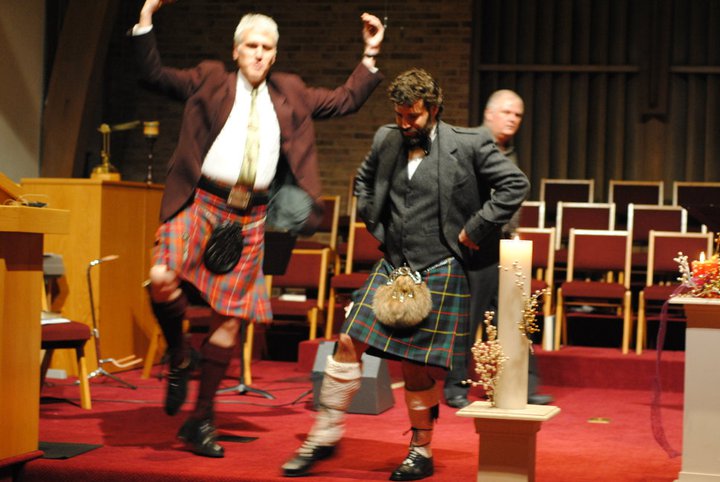
Duncan and I in 2011
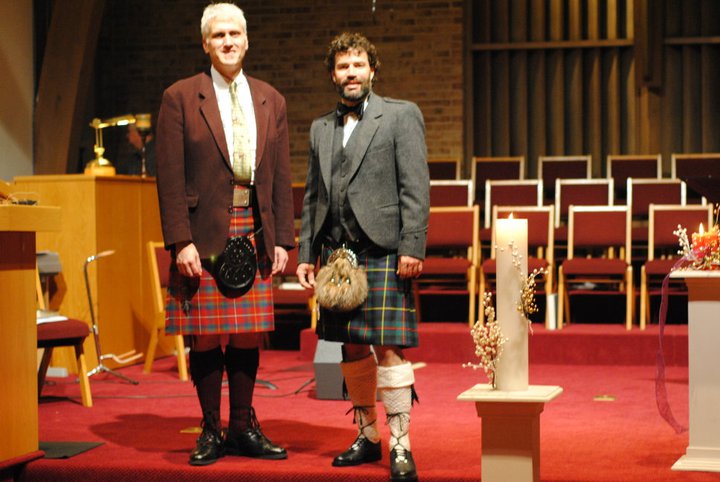
He had hit a wall personally and professionally and felt the need not just to resign from guiding our church, but from ministry altogether (he is now a happy and successful fire fighter). The news hit me like a train. I believed us to be the Simon and Garfunkel, Lennon and McCartney, Plant and Page of our church. By his own admission, he felt similarly. All that, however, was to be no more. I was lost and shouldered it like Apollo’s world-bearing curse. Could I continue doing all this but in brand new ways? Should I do these things but in a new location? Would I find satisfaction doing something else entirely? None of the above? All of the above?

For many, these questions are professional ones, career-defining questions designed to clarify and shape one’s evolving professional life. For me, they were existential and required a deeper dive towards any kind of answer. Let’s try anyway, shall we?

Those like me, perpetually wandering melancholics, happiest when a bit sad can feel a little lost as this begins to melt away in the face of…peace. Shalom. How can it be that someone whose cottage industry had been disenchantment and ennui suddenly finds contentment?

After a sabbatical in 2016 to the UK, it was clear that this was where we were truly meant to be. There began a long process of discernment through which we embarked upon a new journey: a move from Yakima, Washington to Edinburgh, Scotland.

“You Want to Fly Again” was my heart’s cry for what we’re currently experiencing. The song had been covertly prophetic of what was yet to come. I was unaware that I’d written a song intended for everyone but which held within it the seeds of an unfolding reality. And that reality is good. Very good.

I encourage anyone who happens upon these words to do so with faith in the God who still works in mysterious and miraculous ways. If this can become our journey, I am bold to say it can be so for you as well.

May it be so.
Uncle Jack

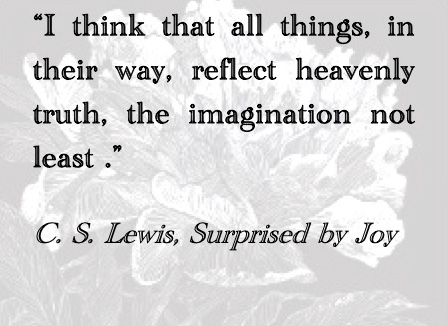
I am reading, for the fourth time, Surprised by Joy, the enigmatic memoir of Clive Staples Lewis; Jack to his friends. By his own admission, a “prig”, an intellectual snob, Lewis was also a little boy lost in the numinous worlds of creativity and imagination. He was a deeply thoughtful conservative when such terms weren’t so counterintuitive used together. In this, we differ. But, in so many of the ways closest to my own heart, we are kindred spirits; ‘are’ not ‘were’ because, through his writings and faith he lives on still…

The Creative Recovery Initiative, Episode 1

On aging

The writer must create from one, or both, of two places: intention, the rhythmic pounding of chain gang-style word production, regardless of circumstance or existential readiness and/or secondly, inspiration, generally obtained through the navigations of a life-lived and sopping up the genius of creators much greater than oneself. The clear lack of words posted to this site in recent months is evidence that I fail miserably in the former. This one, however, comes from having read some of the collected poems in the posthumous collection: “100 Poems” of Seamus Heaney.

The best writers write much using little. They say fundamental things with brevity, economy, exactitude, and a settled, but discerned, relationship with their environment. Seamus Heaney is such a one.

This is brief, but I hope, settled in its own way. I pray it pokes at something in you that, like for me, has lain dormant. Maybe, together, we can reawaken to all the beauty still out there, waiting to be discovered and toyed with.

On aging

Candles, late and long of light,

ligamented now with downward

pour, its waxen tears

the reminders of tender’d space.

Still, there sticks a certainty

of return, innocence untethered,

released from her superlatives

of age; a perambulation of

secondary narratives, like barb’d

wire sunk deep into the

many-ring’d trunk.

Hands, purpled-shanks,

quiver through their tasks,

once the domain of domestic

industry; now but memories,

forgotten, a casual anxiety.

How can the same bird

recall the song, left on the

sill so ready of purpose?

She can but smile at its reticent timbre –

and start again.

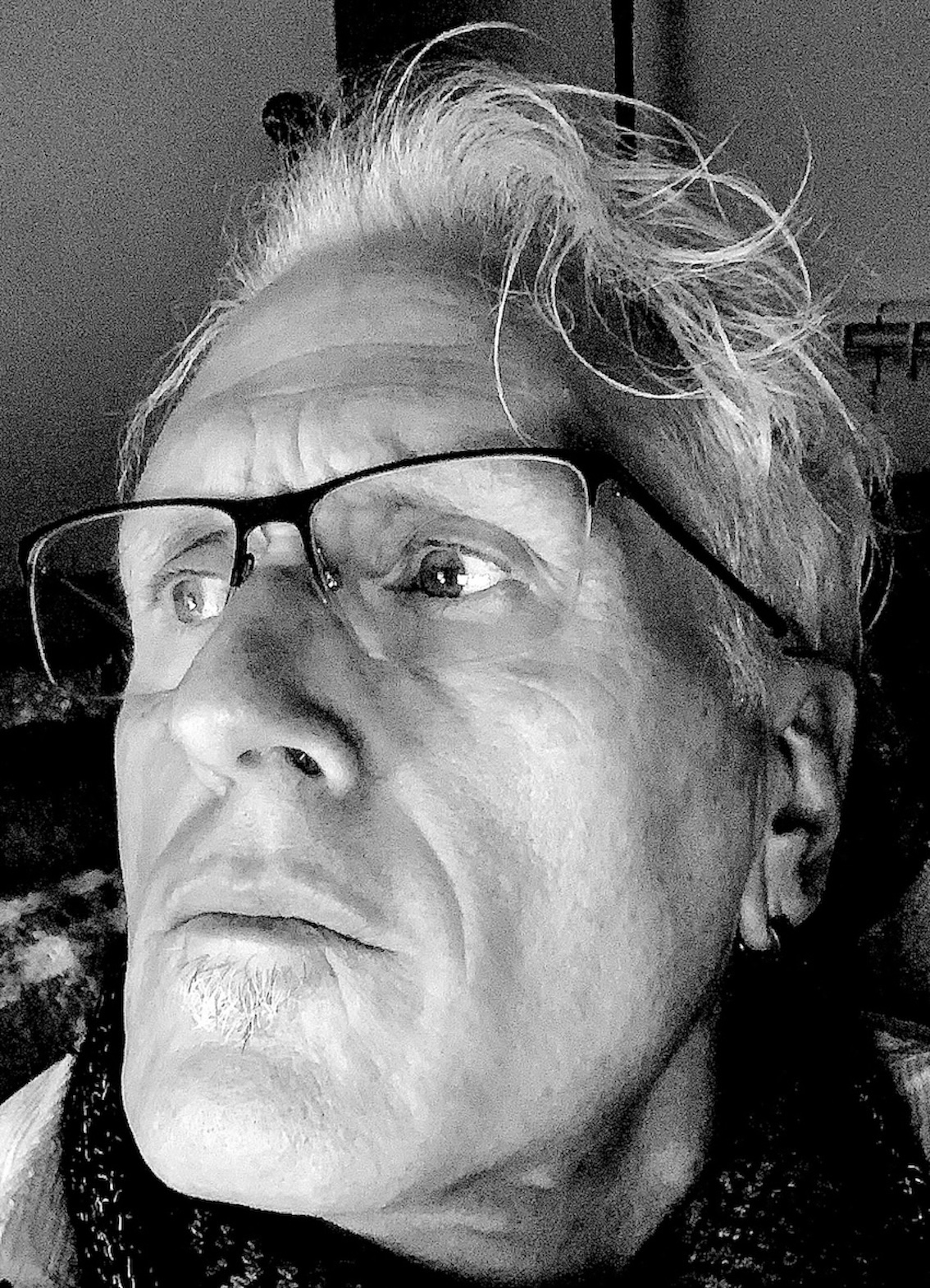
Picture found here

Guest Post – Melissa Snyder Novak

I don’t do this enough – act as generous host to other poets, whether established or otherwise. Let’s rectify that, shall we? Today, I’m proud to offer this wonderful piece by good friend, Melissa Snyder Novak. I trust it takes you to similar places that it takes me.

Enjoy…

Cliff Walk

In the summer of my soul,

the waves crash against

the jagged cliffs of memory.

My heart, burning sun-hot,

draws a mist of longing from these eyes.

All thought, suspended.

All desire, unfurled.


Along this rugged cliff walk journey,

the misshapen boulders line up –

leading me to places previously unknown,

down, deep-soul’d places.

I walk unsteady, uncertain, afraid, holding out hands

for you to guide me in mystic vision, sweet.

But, once again, you are gone.


Feet sink and slide in sand, and

I struggle to press on, breathe, know –

Will you be there when I arrive?

Will you meet me?

Will you help me see the small, shattered edge-stone pieces of shell

that wait for foot to fall?


Waves push, invite –

Will I let myself be swallowed by your sea?

Will I open to your crushing waters?

Excruciating, this pleasing thought of being overtaken by you,

sweet uncertainty.


In the summer of my soul, alas,

the deep darkness begins to rise,

even against the backdrop of midday sun.

Winter is making its return in me,

anxious to hurl over its blanket,

waiting to devour with nights, cold.


The thought delights.

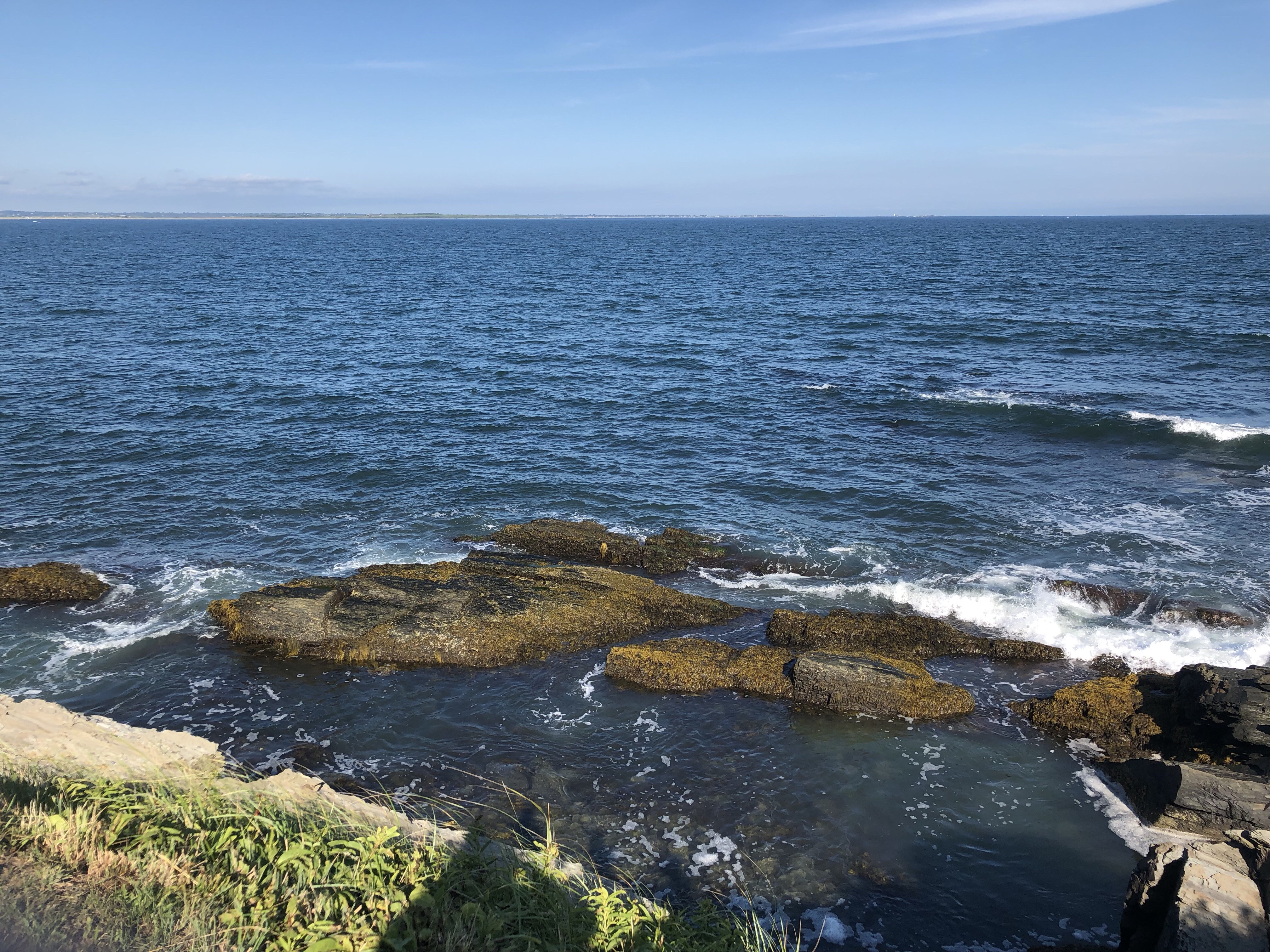
Ocean Pic.jpg

Chasing Fog

Art yet to come.jpg

Let us strive to understand why

artists of different stripes, through all our times,

have sought out darkness, terror, and woe.

Is this alone enough weight to serve the best

grist for the mill,

the most creative soil?

Some see hope only in pain – best straw for the man,

scare for the crow,

leaves for the tea.

But love yet remains the hottest kiln fire,

best ink or brush, chisel or note, key or bow.

Unrequited?

Better still.

The lover writes, paints, sings, sculpts, dances

her way to unleashed creativity, effortlessly

producing beauty in saying so.

Lose that love and comes a torrent of page-busting pain,

notes of mourning and loss,

all the colours of the universe distilled into singular grey.

Art becomes the dense power of the black hole,

sucking energy from anything unlucky enough

to be in proximity. It is pulled in,

crushed, passed through the dark,

then, released again, purified in travail.

Let the art come then from orbital gravity –

two heavenly bodies in mutual dance.

And, sometimes, great art still issues

forth from the flinging wildly into endless space,

victim of some heavenly collision.

The sculptor trains his eye on her flowing

body, chipping away what stone blocks

the way of the visage that drives him.

Shoot an arrow through her and the same

tools are used to take his own life.

Then, the composer, matching them both,

crushes grisled notes onto a tear-stain’d staff.

The musician throws note after throbbing note, dying

as on cloth all our emotions in each one. She loses a hand

to prepare the way for the still

broader statement of the one who writes of her loss.

It is all an exercise in drilling holes in the sternum

to siphon enough life-blood for the great gushing

onto page, stone, canvas, or staff

one’s gratitude or grief;

tears or triumph;

grist or glory.

There is good art in the good. Perhaps even better art in the bad.

There is art within art. Light from dark from light,

we find the most lasting thing tucked in

the gravitas of every moment.

Baffling.

Unnerving.

Discouraging.

Beautiful.

The artist must find the kernels of beauty tucked

in a backwash world,

like chasing fog in the dark.


Let us begin.

More NaHaWriMo 2018

More Haiku, or my attempt at the same, for National Haiku Writing Month, 2018!


Day 10

Kelly Belmonte,

thanks for the haiku advice.

It’s been most helpful!


Day 11

Watch the sky, squinting

against her lonely brilliance –

pants dying winter.


Day 12

I never could have

foreseen today unfolding

quite the way it did.


Day 13

“It’s only ten bucks,”

he said, through unseeing eyes.

“Why not get a job?”


Day 14 (Ash Wednesday)

One swipe of a thumb,

marking our humanity.

Momento mori.


Day 15

Let’s shoot our children.

And before their blood is dry,

we’ll do it again.


Day 16

Dark and deep the ground

that suffocates our children

and steals our future.

NaHaWriMo, 2018

A friend and fellow poet, Kelly Belmonte, whose blog I follow hungrily, alerted me to the fact that February is National Haiku Writing Month.

I’m not as adept at small form poetry as Kelly and others. Nevertheless, it is the perfect form to perfect form. An excellent poetry muscle-building exercise if ever there was one! So, always up for a challenge (more honestly, something to get me out of writer’s lethargy!), I here submit my pieces for the month so far.

Day 1

Five, seven, and five.

The perfect form for Haiku.

That’s okay by me.


Day 2

What if I were dead?

Would my one life have mattered?

What if I’m alive?


Day 3

Stuttered in pages –

life inside remembrances,

howls a paper wind.


Day 4

Then, I was angry

at ev’rything that rippled

and moved at random.


Day 5

I can see rumpled

corners around each morning –

darkness escaping.


Day 6

One can flee from death

to find herself, looking back

at what might have been.


Day 7

Regret is wasted

on a past, already gone.

There is only now.


Day 8

Why do we always

relinquish our sovereignty

over a trifle?


Day 9

Who can know the hour

when a dream meets its demise?

Dreams can sleep in hope.

Spirituality, Imagination, and Pole-Dancing

I think often, and occasionally pontificate, on the spiritual practice of creativity; the places they mutually inform and intersect, the artesian possibilities of art-making. It has been for me a means of keeping a few useful items on my mental table, known to topple over from time to time. It means reading. Lots of reading. Further, it means writing about and because of what I read.

Some of the best stuff gets a chance to percolate, and then regurgitate back onto the page. In the process, some of that wordy goodness forces its way into me. Into who I am becoming. Why I am becoming. And for whom.

Two prevalent ideas in American society are mutually exclusive: spirituality and capitalism. They are the philosophical bed-mates of spirituality and profitability (otherwise known as the New Age Movement or the Christian publishing industry), or sex and time management (although it would be fun to explore the correlation). 

Even as one who writes about this stuff quite regularly, when the best considerations come along, it behooves me to sit back and let them have at it. Besides, what follows provides much of my reading fare these days and finds its way into my own words anyway. Part of that fare is a weekly email from a website called Brain Pickings. It is dedicated to those things that titillate, inspire, educate, and sometimes enrage.

1qbbpp.jpg

Today’s offering, excerpted from Ursula K. Le Guin’s book, Words Are My Matter: Writings About Life and Books, 2000–2016, with a Journal of a Writer’s Week contains a stimulating quote that makes this point.

In America, the imagination is generally looked on as something that might be useful when the TV is out of order. Poetry and plays have no relation to practical politics. Novels are for students, housewives, and other people who don’t work. Fantasy is for children and primitive peoples. Literacy is so you can read the operating instructions. I think the imagination is the single most useful tool mankind possesses. It beats the opposable thumb. I can imagine living without my thumbs, but not without my imagination.

I hear voices agreeing with me. “Yes, yes!” they cry. “The creative imagination is a tremendous plus in business! We value creativity, we reward it!” In the marketplace, the word creativity has come to mean the generation of ideas applicable to practical strategies to make larger profits. This reduction has gone on so long that the word creative can hardly be degraded further. I don’t use it any more, yielding it to capitalists and academics to abuse as they like. But they can’t have imagination.

Imagination is not a means of making money. It has no place in the vocabulary of profit-making. It is not a weapon, though all weapons originate from it, and their use, or non-use, depends on it, as with all tools and their uses. The imagination is an essential tool of the mind, a fundamental way of thinking, an indispensable means of becoming and remaining human.

Good stuff, right?

1qbazp.jpg

Because I knew some excess debt-stress would be great for my spiritual development I took a master’s degree. In Spiritual Formation and Leadership. You know, ’cause…why not, right? It was the altruistic alternative to nautical knot-tying or selling chain-link fence. In truth, it was three of the best years of my adult life. But, already, I digress.

One of the courses necessary for graduation (the only one with the word leadership even attached), offered no small consternation for me. The required texts were bent on forcing spiritual practice onto corporate America like pole dancer nipple pasties (yes, I note that collective groan). I swore to the nipple gods that, should I read one more shitty leadership book that culls its guiding principles from some guy who made millions building chairs, I’d learn pole-dancing myself while reading it aloud in the village square.

For leadership, give me Desmond Tutu, Ernest Shackleton, Rosa Parks, Ghandi, Maya Angelou, or Martin Luther King, Jr. any day over these assholes. For imagination, give me the spiritual practice of creativity, art-making divorced from some lesser ideal. Teach me the riches of poetry for its own sake. Take me to the canvas because, in its pulsating emptiness, I find my fullness. Stuff words in my mouth and place me on a stage where I can act out my inadequacies. Drop me on a dance floor so I can shake out my sins and sweat out my aggression. Let our imagination provide the deus ex machina to our profit-lust, the perceived non sequitir of truth and beauty over pragmatism and effectiveness.

Lead me to beauty because the water’s good, not because it enhances my time management skills.