I Want to Run in God’s Country

A hotel bathroom mirror struggles to squeeze in both of us – primping, priming, prepping. The struggle ensues to strike the balance between post-modern cool and age appropriateness (whatever the hell that means). Final touches, a stupid-slow elevator, and an underground tram ride find us deep in the heart of Washington State’s coolest city. Her oceanside tongue beckons us deeper down her salty throat.

In a quirky irony, a street preacher screeches through a megaphone, “REPENT AND BE SAVED FROM THE COMING WRATH.” Frankly, he seems mad enough for all of us. He shouts himself hoarse, pointing us to some tiny, angry “god” – while we wait to hear from a different God – In the name of love.

We are perched high above a stage that renders everything on it no bigger than our thumbs. From this height, everything seems atomic. Only the stadium is large. There is a palpable expectancy in the aether. Other grey hairs like me mix with kids much younger than our own – a testament to artistic legacy.

The stage is dark except for a few peripheral lights. What seems like hours for an event we’ve waited a lifetime to experience dispels in smoke as a tiny figure makes an appearance. He walks slowly, deliberately and sits at his drum kit. The crowd numbering in the gazillions boils over the brim in collective excitement. A kick drum and snare shots with military precision thunder in the dark. It is one of the most recognizable riffs of a generation. Sunday, Bloody Sunday. I weep in gratitude…

This day is ours, it is our Sunday, blessed Sunday.

May 14, 2017.

The wife of my youth.

Twenty-nine years married.

Seattle.

U2. 
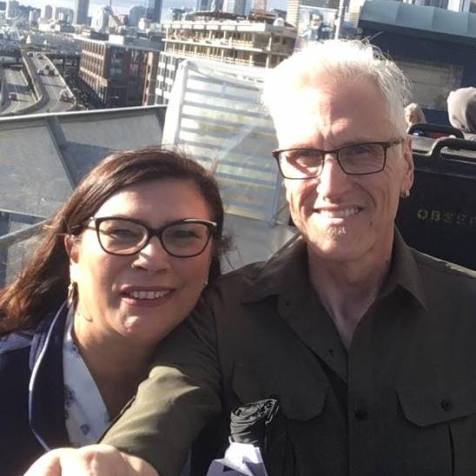
Rae and I.jpg
With Rae Kenny, my fellow lover for 29 years and fellow U2 fan

It is a small handful of events or experiences that earn the well-used primer: “I remember where I was when…” I remember where I was when the Berlin Wall became a gate, the Soviet Union became just a bad dream, when the U.S. dumped “shock and awe” on Iraq. When twin towers of glass and steel crumpled like paper on 9/11.

And I remember the first time I heard the mythic cries of Bono. Raw and pleading. He preached heaven and justice to the world’s hell and woe.

I would never be the same.

Every person can point to at least one thing, one person, book, place, experience that has so deeply touched them they’d not be the same person were it not for that thing. To describe, we use words like impactful, influential, unforgettable, foundational, formative. We say, “I am the person I am today, because of….” Our hearts brim at every remembrance. Conversations always veer in that direction. We return to it again and again rebooting it in our emotional hard-drives.

As a musician and writer, my influences bleed, albeit imperceptibly, onto every page or song I write. Words get strained through my inspirations: Gerard Manley Hopkins, John O’Donohue, Mary Oliver, Thomas Merton, Kathleen Norris – even as I sing in the shadows of Bruce Cockburn, The Chieftains, Dan Fogelberg, Stan Rogers, Paul Simon, and – you guessed it – U2.

Joshua Tree Tour2017 copy.jpg
Centurylink Field, Seattle – The Joshua Tree Tour, 2017

Their musical impact is undeniable. Masters of melody, nuance, and the prophetic power of poetic art done well, I am pried open, exposed. Their un-theology is more impassioned activism than easy-to-swallow hallmark messages wrapped in bumper-sticker Christianity. I am the hungry canvas, they my nourishing paint.

Precious few cultural icons are so readily accessible as U2. But they represent much more than memorable music. Their message is not for the faint of heart. It yearns for the alternate reality of what is possible in a red letter arena; the dangerous stage of self-sacrificial love. They are wick to a candle burning brightly in praise of peace and justice, one that cannot blow out. They are cornerstone of a movement that pictures a world better than the one into which we were born.

This is not just the message of a generation played on guitars. This is a message for all time; ever new, always fresh, never-ending – Good News as it was always intended. My throat, tightened from tears, hoarse from singing anthems to peace, will only find rest when I find what I’m looking for. With my life partner beside me, the girl whose heart-strings are also touched by these same forces, I am closer than ever before.

Until then, I want to run in the name of love, in God’s country, where the streets have no name.

One.jpg

“One” meme courtesy of my wife.
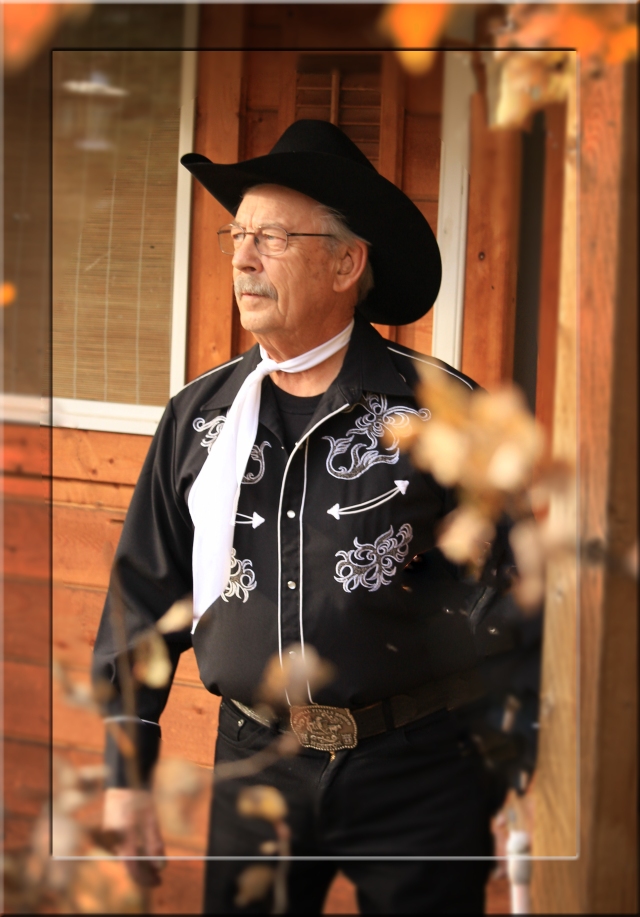
Farewell, Cowboy. Farewell.

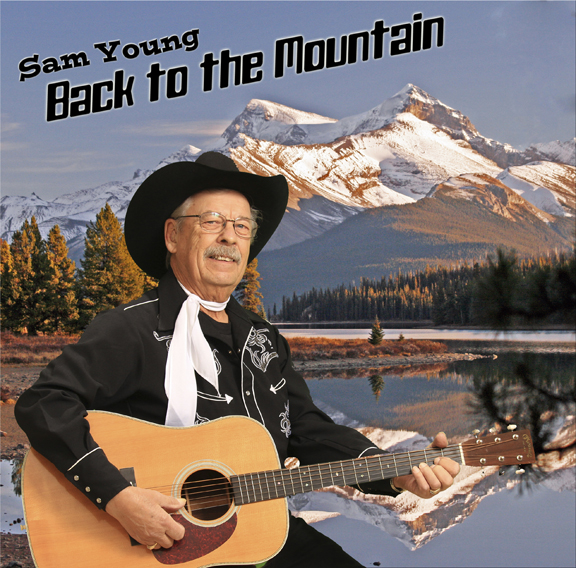
Sam-CD cover.jpg
Sam’s CD, released in 2015 – when he was 80


Perhaps the most unwelcome passage through which all ships must pass is that of death. To be the impotent observer at the bedside of someone in the throes of death can seem the greatest of all insults. One must fight the battle between a desire to see wellness return with the growing awareness that such a return might not be either possible or in the person’s best interests. It is as poignant as it is horrifying.

“I’m afraid there’s nothing more we can do.” Lonelier words were never spoken. 

I too have faced this burden of human experience with grandparents and my own father who died from complications to his cancer treatment. Most recently, on Saturday morning, April 22nd at 3:00am, my step-father drifted into eternity. The lasso keeping him tethered to the dusty ground released him into much bigger pasture. One without fences.

Papa Sam was a cowboy, Métis (may-tee)* to be exact. Born Samuel Maurice Young in the austere, rambling flatlands around Birch Hills, Saskatchewan he was quick to adapt to the rough and tumble ways of the Canadian prairies. The youngest of three boys with a younger sister, they were the bluegrass version of the von Trapps. His brother Stan on fiddle, another brother, Gordon, on banjo, together with Sam on guitar would join their Dad or uncle, both fiddle players, to fill the house on prairie nights with the music of the farm. 

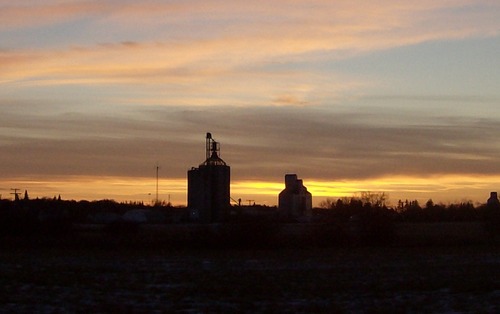
Birch Hills.jpg
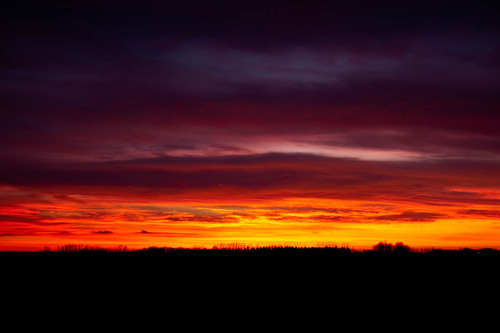
Saskatchewan sunset
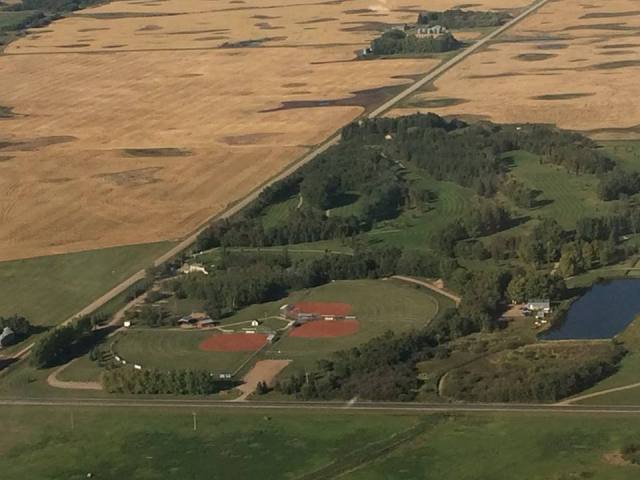
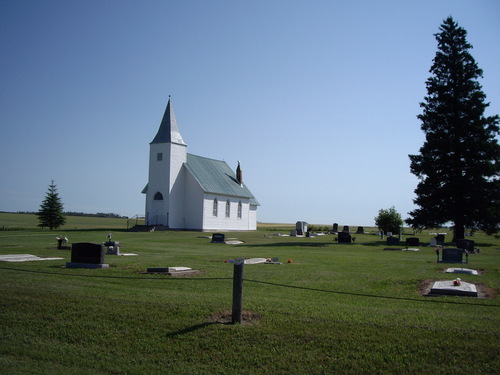
Birch Hills, Sask.jpg
Birch Hills – an aerial view
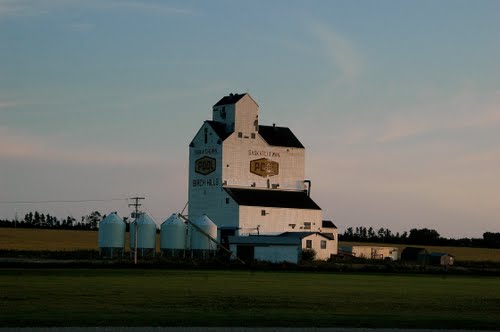
Birch Hills 2.jpg
Birch Hills grain elevator

A young farm hand, Sam, at the green age of 10, played his first dance with his Dad, promptly returning his earnings of a quarter to the Red Cross. A similar largesse would follow him for his next 72+ years. 

Birch Hills 3.jpg
Brancepeth United Church, where lie most of Sam’s family
Birch Hills sunset.jpg
Prairie Sunset

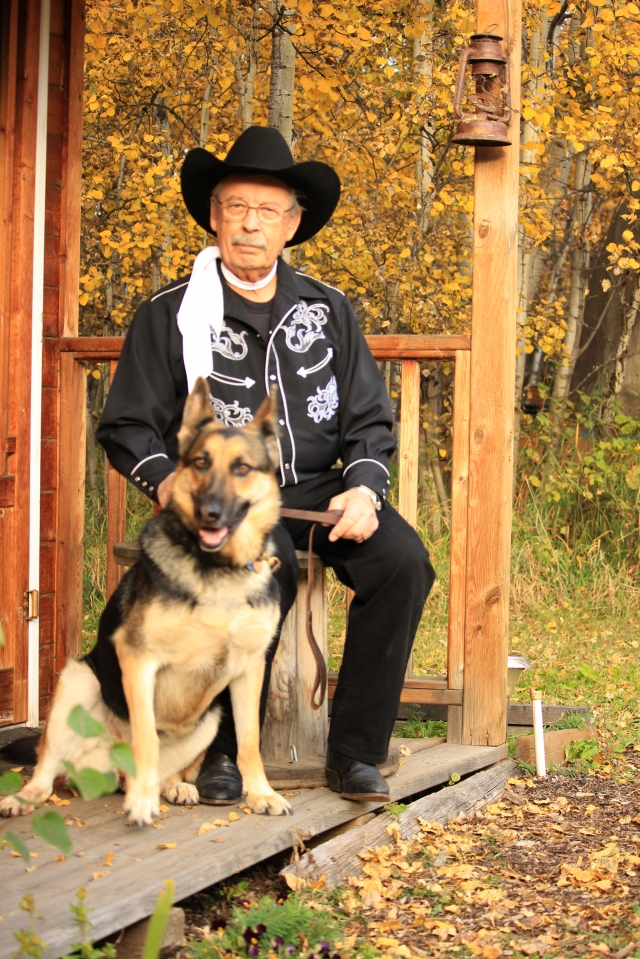
Sam was inseparable from the cowboy fare he loved. A cowboy action shooter for many years, he collected guns and formed an indissoluble connection to the frontier life of the wild West. Old-time country dance music, played the old-time way on old-time instruments characterized the spirit of this small, big-hearted man. Numerous dance bands, including his own, The Calgary Playboys (fitting, given his rep as a ladies’ man), made the rounds in the Calgary scene for over 30 years. It would provide the context in which he would first meet Doris, his beloved wife – my mother.

Her life had not exactly been characterized by rose petals and wine. She lost her husband, my father, in September of 1985 when he was merely 55 years old; her senior of 13 years.

Mom was a widow at 42.

She played the role of dutiful wife and mother well, shuttling us hither, thither, and yon with tireless dedication and far too little gratitude. She shouldered the biting loneliness of a stolid, unflinchingly reserved man in my dad while acting as umpire to our numerous family squabbles, many of which revolved around my own self-centered peccadillos.

Dad’s passing kicked her feet out from under her. Even for one as strong and independent as she, the shock of being alone in the world was overwhelming. Nights full of angry tears eventually settled into steely resolution to reintegrate and reenergize by doing what she loved best, serving.

Much of the time, that meant some part to play in the Royal Canadian Legion, an organization to which our entire family had been attached for many years.  One such role was in working as president of the senior’s dances at Ogden Legion in southeast Calgary. She helped plan the weekly dances and hired the bands for these events. Sam’s band was one of those.

It was 1997.

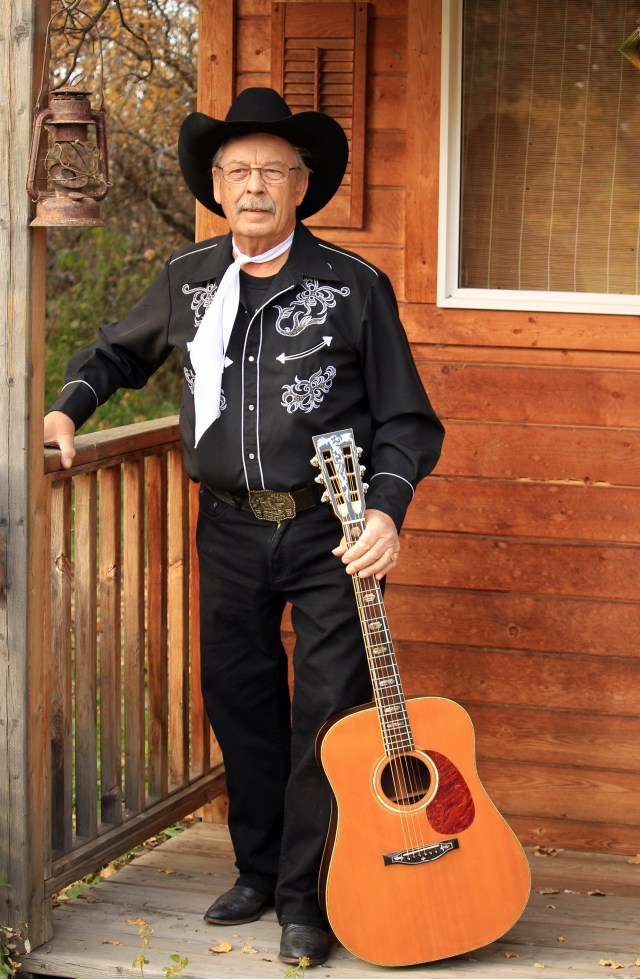
Sam with guitar.jpg
Sam Young – a cowboy to the core

A major surgery pulled Mom out of commission for a while. Sam was quick to notice her absence and asked about her regularly. He’d call her just to talk and to check on her well-being. Upon her return to the Legion, she was the lucky recipient of a big hug and rather public kiss. His charm, cowboy swagger, and crooning country voice ultimately proved too much to resist and Mom and Sam moved in together. 

For the next 3 years, they lived happily side by side in my childhood home in Calgary. But the draw to the country proved too urgent to ignore. In October 2000, they sold the house and moved into their idyllic new digs near the hamlet of Kelsey, Alberta. Golden Spur Ranchetta, as they named it, became their new home and, together, they made the dream of Canadian frontier life their reality.

Long days spent clearing land, pulling out wayward trees, retooling outbuildings, dealing with renters in an adjoining house, nurturing horses, cattle, cats, and dogs, was their daily lot. It fit them like a hand in a glove. I had never seen my mother so alive, so full of vigorous determination, so…happy.

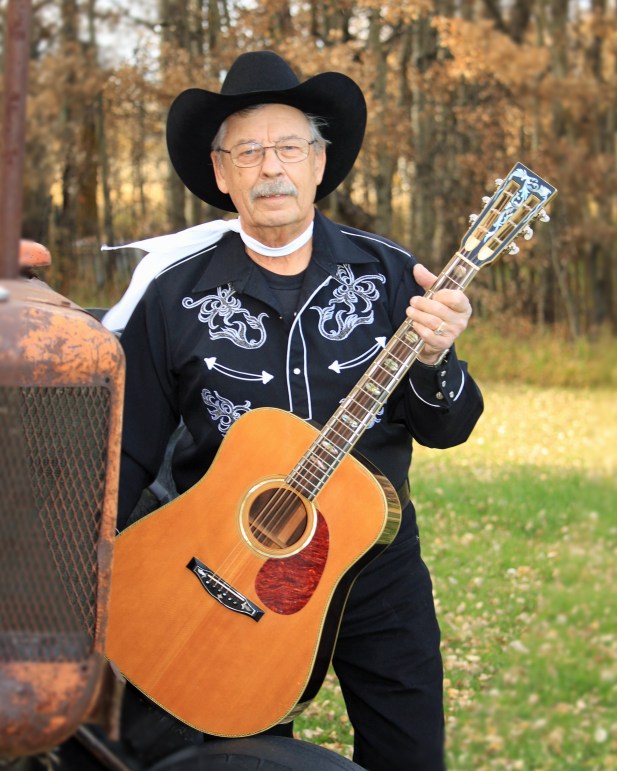
Sam with guitar.jpg
Sam was seldom without a guitar in hand

In October 2005, they were returning from Calgary, along Highway 21. Sam turned to her, saying rather baldly, “I think we should. I think it’s time.” In as matter of fact and unpretentious a manner as one can expect from a Canadian prairie cowboy, he had just asked my mother to marry him. This they did in a small ceremony held in Forestburg, Alberta on New Year’s Eve, 2005. For the first time since she had become a Rife over 40 years earlier, my mother had a different name.

Sam with guitar2.jpgTogether, Mom and Sam weathered well the uncertainties of ranch life in an often-harsh central Alberta landscape. They made many new friends, most of them musicians of one kind or another. Like a loose belt, their lives spread out amid country music jams, reenactment wild West gun shootouts, mosquito-laden summers, and fireside nights under the vast Alberta stars. I watched my mom transform from an anxiety-laden, late-middle-age housewife into a buoyant, self-confident woman. It was delightfully disconcerting.
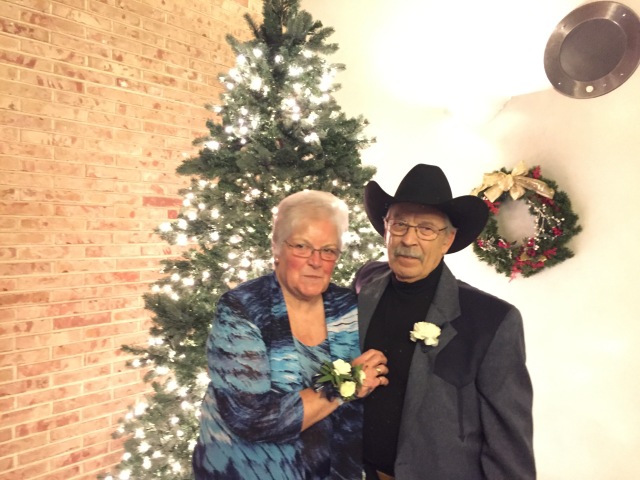
Ten years later, in December 2015, I was blessed to offer a renewal of vows service at Yakima Covenant Church. I had never done such a thing before and was proud that this event, of all things, was my first.

Mom and Sam.JPG
Mom and Sam at their renewal of vows ceremony, Yakima Covenant Church, December 2015

In May of last year, a combination of doctor’s visits, followed by unwelcome phone calls sharing even less welcome news became their lot. The ‘C’ word had taken root as infidel in Sam’s lungs. It would ultimately have the last word.

But the final notes were always his to sing. He lives on in memory and song. His CD, Back to the Mountain, released when he was 80, reminds us that music never grows old. It pulls us along our dusty trails on wooden wheels of hope. It is a small part of a big legacy, served up fresh, and ever new. 

Now, Papa Sam sings harmony with his ancestors, leaning up against heaven’s gate – rough-sawn, split pine, and barbed wire in his case – playing his favourite guitar. The Great Spirit (Jesus to me) sits nearby in plaid shirt, jeans and a ball cap, playing spoons and a washboard. A gentle country waltz fills the perfect air, and bristles with the high-stepping joy of heaven’s jamboree.

Farewell, cowboy. Farewell.

Sam and Lisa.jpg

___________________

*Métis originally referred to Francophone and Cree-speaking descendants of the French-Catholic Red River Métis in Manitoba. They are one of three recognized aboriginal peoples of Canada, descendants of marriages of Cree, Ojibwa, Saulteaux, and Menominee aboriginal people with French-Canadians, Scots, and English settlers. 

This is a recording of Sam’s title track, Back to the Mountaina song I was blessed to co-author.